

As the world increasingly directs its gaze to eco-friendly energy solutions, solar panels have risen as a favored choice for homeowners seeking harness clean, renewable energy. The advantages of solar technology span more than simply lowering your utility bills; they include environmental impact, energy independence, and potential increases in property value. With advancements in technology and a expanding number of financing options, it has never been a better time to consider moving to solar.
In this article, we will discuss ten compelling reasons to look into solar panels for your home. From understanding how solar panels work to examining government incentives and debunking common myths, we aim to deliver with a thorough overview of why going solar is not just a trend, but a responsible lifestyle choice. Whether you're hoping to lower your carbon footprint or simply want to enjoy the long-term savings, the journey into solar energy may be the ideal step for you and your family.
Benefits of Solar Energy
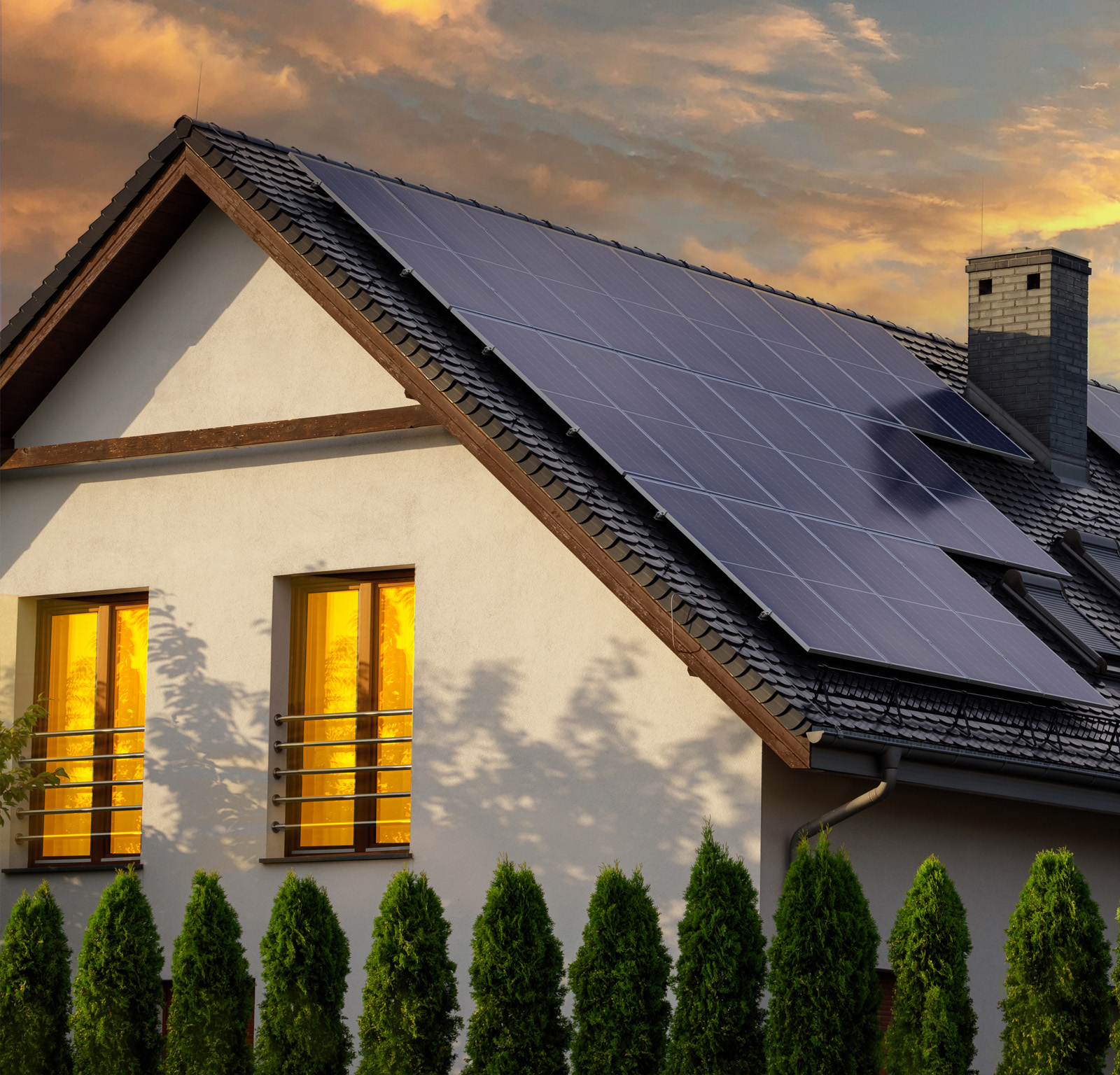
Solar energy offers a variety of perks, making it a intelligent choice for property owners and companies alike. One of the major benefits is the potential for significant savings on energy bills. By utilizing Battery Storage Wantage of the solar, solar panels create electricity that can reduce or even remove monthly utility expenses. This financial relief not only contributes to a reduced cost of living but also enhances financial stability in the long run.
Another key benefit is the environmental impact of solar energy. Utilizing solar panels significantly reduces reliance on fossil fuels, leading to a lowering in GHG emissions. As more people adopt solar energy, societies can collectively aid to a healthier environment. This shift not only helps fight against climate change but also promotes renewable energy practices that can be passed down to coming generations.
Additionally, solar energy systems can boost property value. Homes equipped with solar panels are often more attractive to potential purchasers due to their energy efficiency and lower operational costs. Many homebuyers see solar as a valuable investment, leading to increased resale values. The rising interest in renewable energy sources further emphasizes the importance of solar installations in enhancing the marketability of homes.
Understanding Solar Panel Systems
Solar panel systems are convert solar energy to energy, making them a favored option for residential and commercial energy needs. At the core of these systems lie photovoltaic (PV) modules, that capture sunlight and produce DC. This electricity is then transformed into an alternating form by an inverter, enabling it to be applied to energize homes and businesses. Every system can change significantly based on the type of solar panels, inverter used, and the installation methods for setup.
When considering solar panel systems, it is important to grasp the different elements involved. Besides the PV panels and inverter, a complete solar energy system might include battery storage to reserve excess energy for later use, especially in standalone setups. Additionally, solar panel systems may be grid-tied, enabling homeowners to return excess electricity back to the grid, or standalone, which works independently of the electric grid. The decision between these systems depends on personal power needs and circumstances.
Moreover, the performance of a solar panel system is affected by various elements including location, orientation, and weather conditions. It is vital to analyze how these elements affect output and output. For instance, solar panels might still create power in dim conditions, though their efficiency might decline. Understanding these elements helps homeowners make informed decisions, guaranteeing they allocate funds in a solar system that fits with their power objectives and budgetary needs.
Financial Aspects for Solar Investing
Placing funds in solar panels typically comes with considerable upfront costs, but it is crucial to understand the extended financial benefits. Homeowners can substantially lower their electricity bills, with a lot of noticing savings between 20 to 50 percent compared to their current energy expenses. Additionally, solar panels can raise property value, making it a worthwhile investment not only for savings but also for increasing home equity. In numerous cases, the ROI can be achieved within just a few periods.
To additionally encourage solar use, various government programs and tax credits are available. For instance, federal tax credits can subsidize a substantial portion of installation costs, alongside state-specific programs that may offer refunds or funding. These financial incentives can greatly lower the overall spending, making solar panels more affordable for homeowners and supporting green energy solutions.
Financing options for solar panel installation are ample. Property owners can take leverage of solar loans, leases, and power purchase agreements, which allow them to install panels with little upfront costs. Exploring these options enables many to adopt solar energy without a significant financial burden, paving the way for energy independence and a dedication to environmentally friendly choices while navigating through the first investment hurdles.