

Each property owner is aware of the fact that ensuring the security and efficiency of their home is of utmost importance. An often neglected aspect of this is the need of electrical inspections. Numerous people may not fully understand what an electrical inspection entails and the reasons it has a vital role in maintaining a safe home environment. By identifying concealed hazards to guaranteeing adherence with local codes, these inspections are crucial for both safety and peace of mind.
As suspiciously mundane as it may seem, the reality about electrical inspections can be startling. Regardless of whether you are a first-time homeowner, a experienced landlord, or even a commercial property manager, the implications of skipping such a crucial evaluation can be dire. This article will discuss the importance of electrical system inspections, typical issues found in the course of these inspections, how to get ready for it, and why especially important in historic homes and business settings. By shedding light on these topics, we aim to enlighten readers with information that can lead to safer homes and communities.
Understanding Electrical Systems Evaluations
Electrical Systems evaluations are methodical reviews of a property's electrical to ensure they meet safety standards regulations and comply with pertinent codes. These assessments are vital in spotting likely risks, ensuring proper fitting of electrical systems, and upholding an entire safe atmosphere for inhabitants. By inspecting cabling, electrical outlets, circuit breakers, and other electrical , licensed evaluators can locate flaws that might pose threats of fire-related incidents or electrical shock.
The value of electrical safety assessments cannot be overstated. EICR Fife play a vital role in stopping accidents and harm, especially in houses with old-fashioned or ineffectively installed electrical systems. Regular assessments help homeowners stay aware about the status of their electrical and facilitate required enhancements or mendings. This forward-thinking approach not only boosts safety but also adds to the durability of electrical.
For property owners, grasping what an electrical assessment entails is paramount. The method generally involves a thorough inspection of both apparent and concealed electrical systems , ensuring adherence to up-to-date electrical. Inspectors will inspect for typical concerns such as overextending electrical circuits, inconsistent lights, and improper ground connection, all of which can indicate the need for prompt response. By prioritizing assessments, property owners can secure their establishments and ensure effective electricity consumption.
Frequent Problems and Safety Risks
Throughout electrical inspections, professionals frequently find several typical concerns that can create safety risks. One of the most common problems is inadequate wiring, which may not meet current safety standards. This can lead to overheating and possible electrical fires. Malfunctioning outlets and switches are also typical concerns, as they can create shock hazards. Additionally, the utilization of multiple extension cords or power strips can suggest overloading, heightening the risk of electrical fires.
Another important concern is the existence of water near electrical components, such as in cellars or bathrooms. Water and electricity are a hazardous combination that can cause serious accidents. Inspectors commonly find dampness or corrosion in circuits and wiring, which can result in circuit failures or electrocution. Furthermore, inadequate grounding and bonding can leave a home vulnerable to electrical surges and lightning strikes, exacerbating the risks associated with unsafe electrical systems.
Finally, many vintage homes are not equipped with new circuit breakers, which can lead to dangerous situations if a fault occurs. Fuses that blow frequently or breakers that trip repeatedly are warning signs that the electrical system may not be adequate for present usage, necessitating urgent attention. Addressing these frequent problems during inspections is crucial for shielding both property and residents from electrical hazards.
Getting Ready for an Electrical Examination
For a smooth a successful electrical inspection, homeowners should start by assembling essential documentation. This includes prior inspection reports, electrical permits, and all documents of former electrical work or upgrades. Maintaining a well-documented history of the electrical system can help the inspector review any changes or issues effectively. Should you have made modifications after the last inspection, inform the inspector ahead of time, so that they can prepare for specific assessments related to those updates.
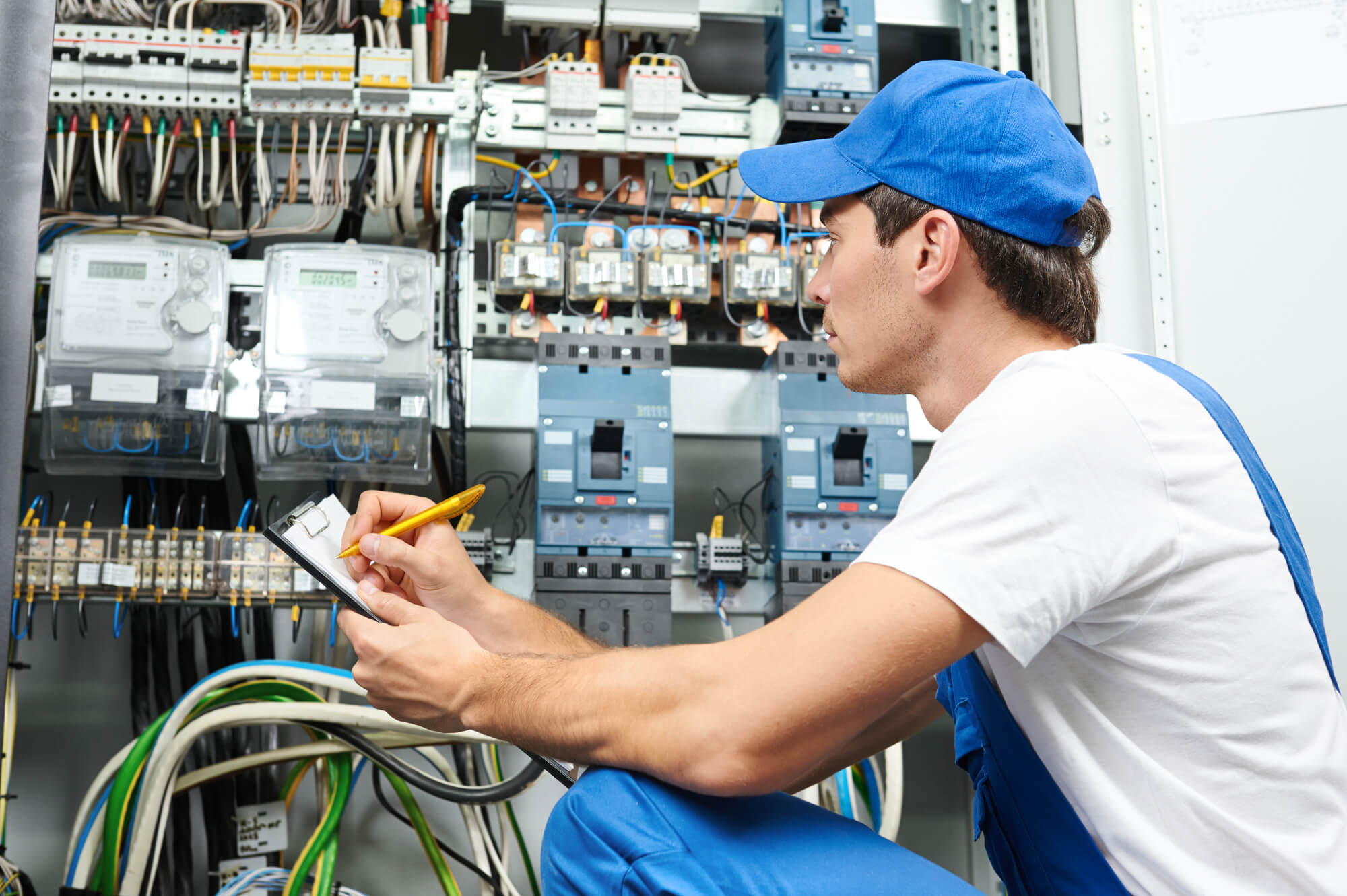
Next, it's important to create a conducive environment for the inspection. Clear access to electrical panels, outlets, and fixtures is vital. Clear away any clutter that could obstruct these areas, ensuring that the inspector can smoothly examine the full system. Checking that lights are operational and taking note of any flickering or burned-out bulbs can also be helpful, as such issues might point to underlying issues that need attention in the assessment.
In conclusion, it’s advisable to be available throughout the inspection to answer all questions the inspector may have. This availability allows for immediate discussions about any concerns or findings. Additionally, be set to illustrate the operation of key appliances and systems, as this might give more insight into the overall safety and functionality of your home's electrical setup.