

Creating an stunning outdoor area is a craft that blends imagination, practicality, and a deep understanding of nature. Landscape design is more than planting flowers and laying down grass; it’s about blending nature fluidly with our artificial surroundings to create a warm and harmonious aesthetic. Whether you have a sprawling backyard or an intimate front yard, the principles of landscape design can convert your outdoor areas into stunning extensions of your home.
In this article, we will discuss essential ideas and techniques that can elevate your landscape design, from understanding modern and traditional styles to including eco-friendly practices. You will find practical tips for maximizing limited spaces, selecting the suitable plants, and merging hardscaping elements that augment your overall design. Regardless if you are a beginner looking to launch your landscaping journey or an experienced gardener seeking inspiration, the art of fusing nature is within reach to all. Come along as we dive into the essentials of landscape design that can transform your outdoor dreams into truth.
Essential Gardening Planning Concepts
Designing a beautiful backyard starts with a careful planning plan that combines practicality with aesthetics. One key concept is to integrate diverse plant varieties that grow well in your local environment. Utilizing a blend of long-lasting plants, annuals, and evergreens can ensure year-round engagement and reduce maintenance. Researching native plants not only benefits regional ecosystems but also forms a landscape that feels cohesive with the local environment.
Another critical element of landscape design is the use of hardscaped features like terraces, paths, and retaining walls. These features provide form and can shape outdoor living environments. Thoughtful positioning of stone paths and sitting spaces encourages discovery and comfort, improving the overall utility of your backyard. Think about adding features like fire pits or kitchen areas that promote social get-togethers and make your outdoor space more enjoyable.
Illumination plays a key role in landscape design, as it can dramatically transform the atmosphere of your area after sunset. Strategically situated lights can accentuate key elements, such as plants or walks, while creating a warm and welcoming atmosphere. Utilizing multiple lighting methods, such as up-lighting and downlighting, allows you to create different vibes and showcases your landscape's charm both during the day and in the evening.
Green and Budget-Friendly Methods
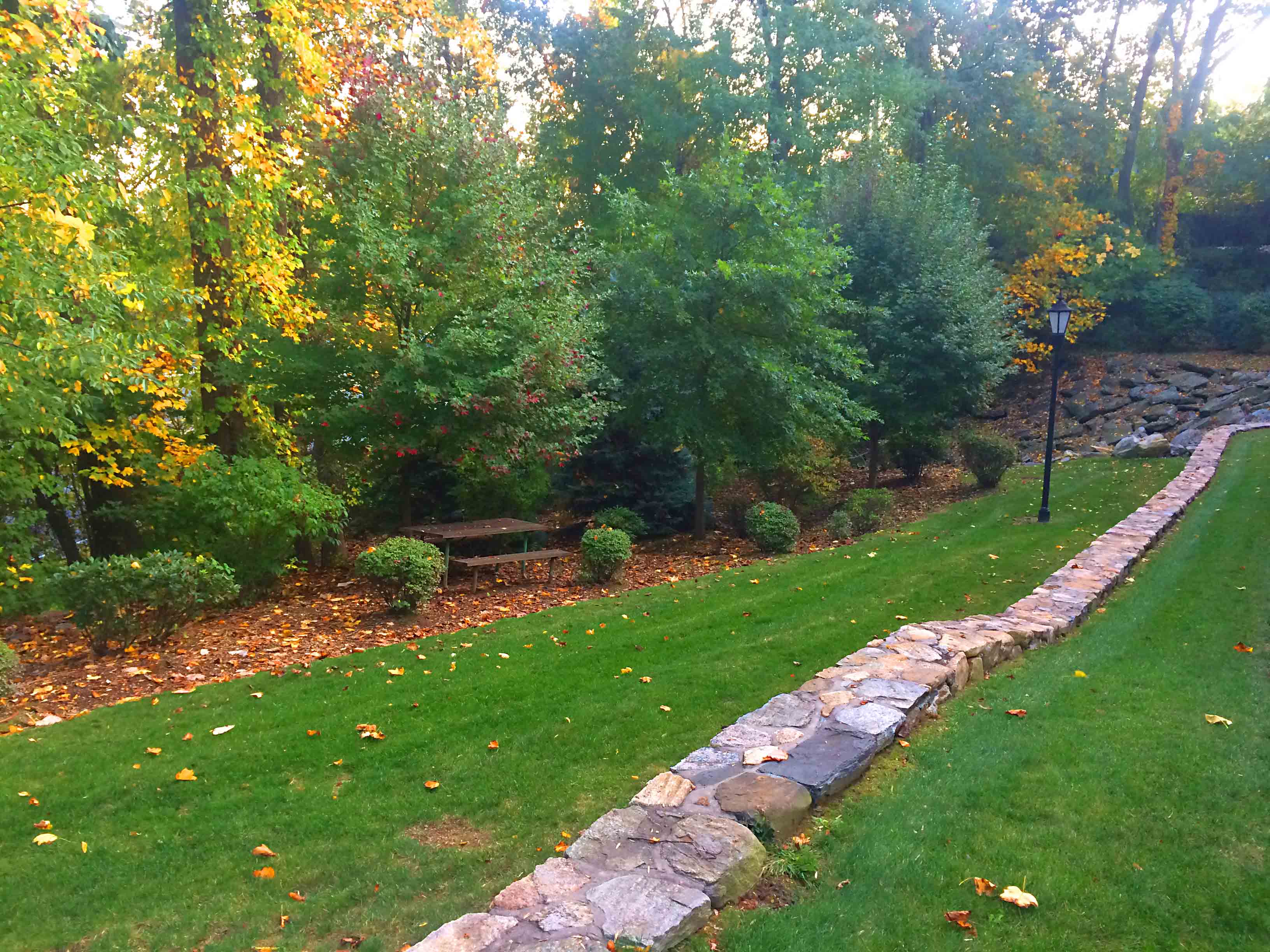
Establishing a beautiful outdoor space does not cost a fortune or negatively impact the ecosystem. One green method is to choose indigenous plants that are well-adapted to your regional climate and soil conditions. These plants generally require less water and maintenance compared to introduced species, making them perfect for a low-cost landscape. By selecting native varieties, you also promote local wildlife and enhance biodiversity in your area.
Another viable approach for a cost-conscious landscape design is to incorporate hardscaping elements, such as stone walkways, rock walls, or patios made from reclaimed resources. These features can minimize the amount of turf area that requires regular maintenance, resulting in reduced maintenance costs over the years. Furthermore, hardscaping can provide aesthetic appeal and create functional outdoor spaces for relaxation and entertainment.
Adopting green practices in your landscaping project is also a practical option to reduce costs. For instance, composting organic waste can benefit your soil without the need for costly chemicals. Additionally, exploring xeriscaping, which Grounds Maintenance around drought-resistant plants and conservative irrigation techniques, can significantly lower water costs. By implementing these sustainable and budget-friendly strategies, you can create a beautiful outdoor space that is both eco-conscious and cost-effective.
Tips for Choosing the Right Landscape Style
In the process of selecting a landscape style, think about the overall architecture of your home. The design should fit with the existing features and colors of your house. For example, a contemporary home may benefit from clean lines and simple designs, while a classic home might shine with timeless features and lush gardens. Observe the shapes and materials used in your home’s construction, as such elements may guide you towards a harmonious landscape design.
Another important aspect to consider is your personal preferences and lifestyle. Reflect about how you want to enjoy your outdoor space. If you enjoy hosting guests, a elegant landscape with patio areas and dining areas might be ideal. Conversely, if you prefer a tranquil oasis for unwinding, focus on creating a soothing environment with natural elements like water features or shaded seating. Your landscape should exemplify your needs and provide a space that you look forward to spending time in.
Lastly, be mindful of the climate and environmental conditions of your area. Different regions offer unique challenges, such as soil type, sunlight exposure, and water availability. Choose a style that can thrive in your specific environment. Incorporating native plants and eco-friendly practices will not only enhance the sustainability of your landscape but will also ensure that you have a vibrant and thriving garden that can endure with less maintenance.