

Regarding ensuring the safety and functionality of a home, one often neglected area is the electrical system. Electrical assessments play a crucial role in maintaining not only the integrity of the electrical infrastructure, but also the well-being of all residents of the home. With the potential for hazards such as electrical fires, shock, and equipment failure, regular inspections become a key component of a proactive safety strategy for homeowners.
Comprehending what goes into an electrical inspection and realizing its value can significantly influence how homeowners manage their property. From uncovering hidden issues to ensuring compliance with safety codes, these inspections are essential in preventing costly repairs and ensuring peace of mind. In the following sections, we will explore the various facets of electrical inspections, including frequently encountered problems, the frequency of inspections, and their vital role in home safety. Whether you are a seasoned homeowner, a new buyer, or even a landlord, staying informed about electrical inspections can help you protect your investment and keep your family safe.
Understanding Electrical Inspections
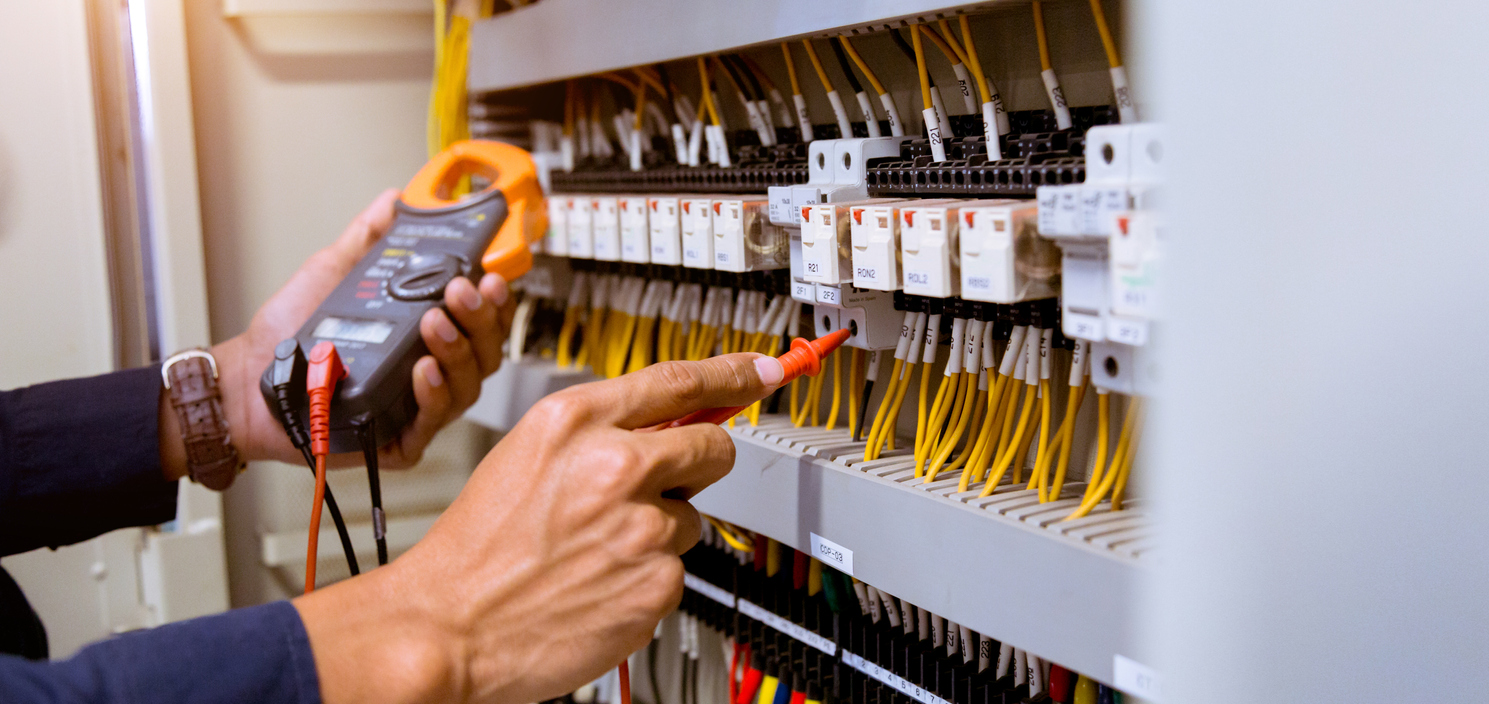
Power assessments are critical evaluations performed by licensed technicians to check the security, efficiency, and compliance of a household electrical system. In the course of an inspection, licensed electricians check wiring, circuit breakers, receptacles, and various components to detect any possible hazards or deficiencies that could lead to unsafe situations. These inspections aim to verify that the electrical system meets existing regulation standards and works efficiently.
One of the main reasons power inspections are crucial is the mitigation of fire hazards and additional dangers. Malfunctioning wiring, overburdened wiring systems, and outdated wiring can pose significant threats not only to a property but also to the residents' security. Detecting and addressing these concerns preemptively helps homeowners avoid dangerous situations and expensive repairs in the future.
Electrical assessments are particularly important for older homes, where age might have compromised the safety of the power system. Recent homeowners should also focus on assessments to understand the status of their home. By performing frequent and comprehensive evaluations, residents can maintain a protected environment, shield their investment, and ensure compliance with regional regulations.
Key Reasons for Regular Inspections
Frequent power evaluations is essential for maintaining the security and functionality of a residence. With time, damage can cause deteriorating wiring, obsolete systems, and possible hazards that can endanger safety. An electrical inspection reveals these issues early, ensuring that necessary repairs or upgrades are made before they intensify into major problems, such as electrical fires or outages. By taking proactive measures, homeowners can prevent dangerous scenarios and costly emergency repairs.
A further key reason for planning regular inspections is to secure conformance with the most recent electrical codes and standards. Construction standards develop, and what was formerly regarded as safe may not meet the existing regulations. Regular inspections assist homeowners stay compliant, which is especially important when selling a home or participating in renovations. This compliance not only protect the homeowner but also enhances the property’s value and attractiveness to potential buyers who prioritize safety and reliability.
Lastly, regular electrical inspections add to energy savings in a home. An inspection can highlight inefficient systems or faulty wiring that may be causing unnecessary energy consumption. By rectifying these concerns, homeowners can reduce their energy bills and minimize their carbon footprint. https://crews-stafford-2.blogbright.net/wiring-insights-what-to-expect-during-an-electromagnetic-inspection does it support a more sustainable environment but also offers long-term financial benefits, making regular electrical inspections an important investment for any homeowner.
The Effects on Safety and Compliance
Electrical inspections play a critical role in ensuring the security of residences and structures. By spotting potential hazards, such as faulty wiring or outdated electrical systems, these inspections significantly minimize the likelihood of electrical fires, shocks, and accidents. Property owners and property managers must recognize that neglecting electrical issues can lead to devastating consequences, including loss of property and fatalities. Regular inspections not only enhance individual safety but also create a safer environment for households and residents.
Compliance with local and federal electrical codes is essential for any home or commercial property. An electrical inspection ensures that the wiring and systems in place comply with these regulations, helping to prevent legal issues that may arise during property deals or inspections by local authorities. By remaining compliant, property owners can steer clear of penalties and complications during the sale process, making inspections an invaluable aspect of property management.
Furthermore, the connection between electrical inspections and insurance cannot be ignored. Many insurance companies demand an up-to-date inspection to issue coverage or to maintain a reduced premium. This condition underscores the importance of regular electrical evaluations as part of a comprehensive risk management strategy. Prioritizing electrical safety through inspections not only protects individuals and households but also ensures adherence with insurance requirements, making it a crucial element in protecting assets and investments.