

In today's world, in a time of heightened environmental awareness are at the forefront, the concept of the circular economy is increasingly recognized. This forward-thinking approach questions traditional notions of waste management through an emphasis on sustainability and resource efficiency. Rather than considering waste as a mere byproduct of consumption, the circular economy reinterpret waste as a valuable resource that can be repurposed, processed anew, or used differently. This paradigm shift is vital for creating a greener tomorrow, making effective waste management more than just a business requirement but an ethical duty.
Recognizing the importance of waste management holds significant importance for businesses and individuals alike. The decisions we make regarding waste can have profound implications our environment, economy, and public health. From implementing smart waste management solutions to practicing composting at home, every step counts. As we investigate the various aspects of waste management, we will discuss innovative strategies, common pitfalls, and the transformative role of technology. Together, we can build a sustainable future where waste is minimized, resources are valued, and communities flourish.
Understanding Waste Handling Principles
Waste handling is the structured method to handling refuse from their origin to their ultimate disposal. This includes a range of techniques, comprising the accumulation, transportation, handling, reusing, and disposal of trash. Understanding the various categories of waste—such as municipal, factory, dangerous, and e-waste—is vital for successfully handling them. Every kind poses specific problems and demands tailored solutions to reduce ecological effects.
Efficient waste handling not only advances ecological balance but also contributes to population welfare and safety. Inadequately managed waste can result in contamination, spread of diseases, and harmful effects on environmental systems. This highlights the importance of creating integrated waste management systems that adhere to guidelines and industry standards. By emphasizing sustainable waste management, businesses and societies can reduce their environmental impact and foster a safer surrounding.
In the last decade, there has been a increasing emphasis on the circular economy, where trash is seen as a valuable item, striving to decrease waste generation and encourage repurposing and reuse. By incorporating waste control strategies into the operational structure, organizations can improve productivity and generate profit. Grasping the foundational aspects of waste handling is crucial for individuals seeking to contribute constructively to their communities and the planet.
Methods for Successful Refuse Minimization
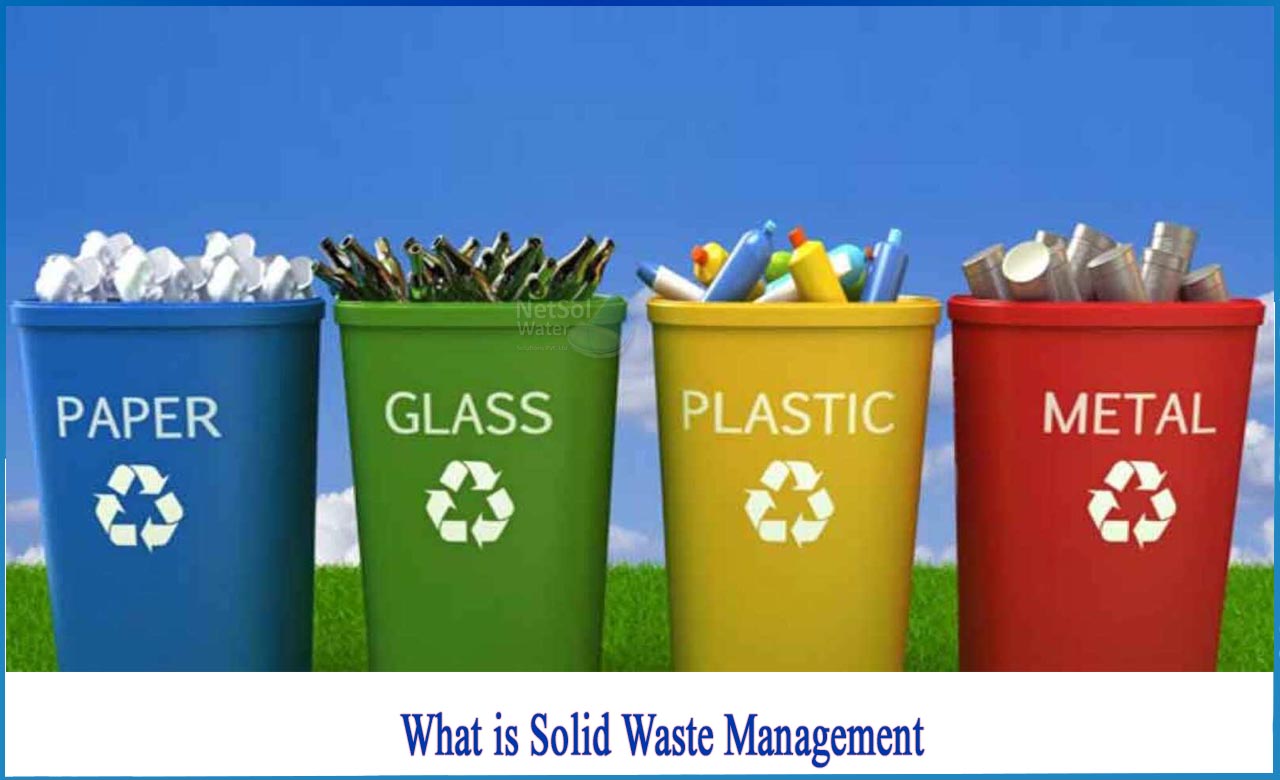
One of the highest effective strategies for reducing waste is initiating waste segregation at the point of generation. Teaching employees and household members about the value of separating recoverable materials from non-recyclable waste can significantly enhance recycling rates. This simple practice not only ensures that recyclable items are appropriately processed but also reduces contamination, making recycling more efficient. Establishing clear labeling and accessible bins promotes participation and nurtures a culture of eco-friendliness.
An additional effective approach is promoting for eco-friendly packaging in both business operations and daily life. Opting for products with minimal packaging or those made from recycled materials can significantly reduce waste generation. Businesses can partner with suppliers who favor sustainable practices, while consumers can choose to support brands that focus on eco-friendly packaging. This transition not only preserves resources but also builds market demand for sustainable innovations.
Ultimately, businesses and households can profit from creating and executing a waste reduction plan. https://financialmanagementcornwall.co.uk/best-wealth-management-cornwall/ should include quantifiable goals, such as lowering overall waste by a defined percentage within a set timeframe. Regular waste audits are crucial in identifying areas for improvement and tracking progress. By including all stakeholders in the process and promoting ongoing dialogue about waste reduction initiatives, organizations can create a solid foundation for lasting change in their waste management practices.
The Future of Sustainable Refuse Approaches
As we advance toward a more sustainable future, innovative waste management solutions are developing to tackle the escalating challenges related to waste elimination and management. Technologies such as artificial intelligence, data analysis, and the Internet of Things are being integrated into waste management systems, facilitating automated sorting and tracking of materials. These advancements not only boost efficiency but also enable precise analysis of waste production patterns, allowing businesses and municipalities to refine their approaches more successfully.
Another important trend is the move towards a closed-loop economy model, where waste is minimized, and resources are kept in use for as long as possible. This means that companies are more and more focusing on designing products that are easier to reuse or compost, thus reducing their environmental footprint. Initiatives that encourage product take-back and recycling initiatives are gaining traction, inspiring consumers and businesses alike to be accountable for their waste and consider its life cycle.
Finally, public awareness and education around waste management are becoming crucial. Programs aimed at educating communities about best practices in waste segregation, composting, and recycling are helping to foster more sustainable behaviors. As a result, increased community engagement and responsibility in waste management practices will play a essential role in achieving sustainability goals and mitigating the effects of climate change. The prospects of eco-friendly waste solutions lies in cooperation between technology, responsible design, and community engagement, leading for a more sustainable future.