

In a world where the charm of natural stone can easily be ignored, the art of stone restoration offers a significant opportunity to restore these classic materials. Stone surfaces, whether in our residences, old buildings, or retail spaces, often bear the marks of time, wear, and environmental exposure. Understanding what stone restoration means and why it is vital can be the initial step toward preserving the grace and durability of these natural wonders.
From marble floors that have diminished their luster to granite countertops displaying unsightly scratches, the need for professional stone restoration is evident in many properties. This thorough guide delves into the intricacies of stone restoration, exploring the processes entailed, the benefits of hiring experts, and how to recognize signs that your surfaces may require care. As we start this journey, we will reveal the significant impact that restoring stone can have not just on the appearance of a property, but also on its overall value and historical significance.
Grasping Rock Restoration
Rock revitalization is a specialized method aimed at reviving and preserving natural stone surfaces that have suffered damage, harm, or aging over time. This practice is essential as it assists to maintain the visual allure and engineering integrity of stone resources, which are frequently used in both residential and commercial properties. By tackling issues such as stains, scratches, and engraving, restoration not only boosts the visual appeal of stone facades but also factors to their longevity.
The importance of rock restoration cannot be underestimated, especially for historic buildings and heritage properties where maintaining the original element is vital. Through professional restoration techniques, experts can often remedy years of damage caused by natural factors or poor maintenance. Such efforts not only restore the mineral but also help preserve the historical value and significance of the edifices involved.
When considering mineral restoration, it is important to understand the disparity between washing, fixing, and renewing. Sanitizing usually takes away top dirt and grime, while fixing centers on resolving specific damages. Restoration, on the flip side, encompasses both sanitizing and mending, aiming to bring back the rock to its original state or better upon it. This all-encompassing approach ensures that natural mineral facades are not only visually attractive but also sufficiently safeguarded against upcoming damage.
Benefits of Expert Restoration
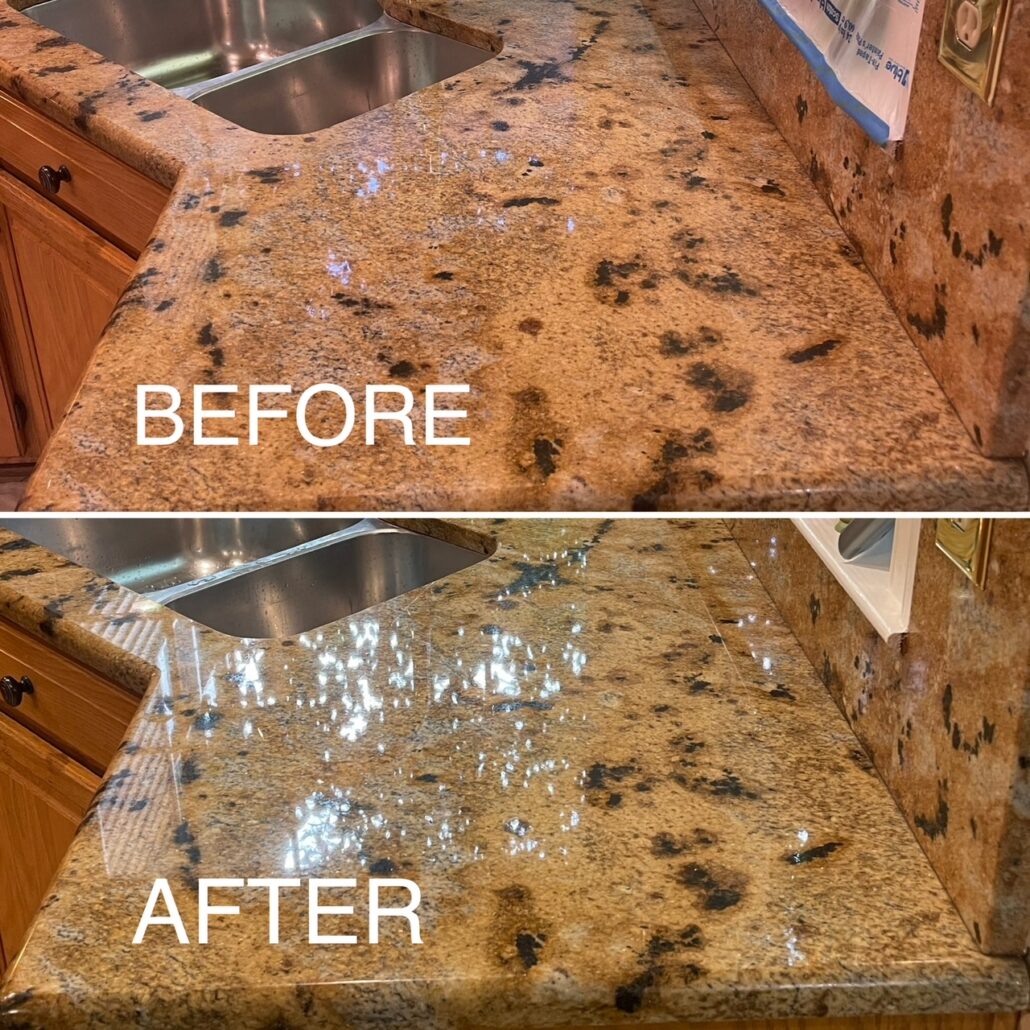
Expert stone restoration offers a range of advantages that reach beyond mere aesthetics. One of the main advantages is the preservation of the stone's structural integrity. Over time, authentic stone can sustain from wear and tear, leading to cracks, nicks, and other damage. Qualified restoration professionals utilize specific techniques and tools to repair these imperfections, ensuring the longevity of the stone and preventing further deterioration. Look at this website can save property owners from the high costs associated with more comprehensive repairs or replacements down the line.
Another significant benefit of professional restoration is the improvement of the stone's look. Specialists in stone restoration understand how to optimize the intrinsic appeal of materials like marble, granite, and travertine. They can eliminate stains, etching, and scratches, revealing the true luster and shine of the stone. This transformation not only enhances the general look of the property but can also create a more inviting and pleasant atmosphere in both residential and commercial spaces, making a favorable impression on guests and clients.
Lastly, investing in professional stone restoration can significantly boost the property's worth. Properly cared for stone surfaces can enhance curb appeal and make a property more appealing to potential buyers or renters. With the right restoration techniques, homeowners and business owners alike can showcase the beauty and quality of their stone features, ultimately making their property stand out in a competitive market. stone mason -thinking approach of restoring stone surfaces demonstrates a commitment to quality and care that resonates with discerning buyers.
Care and Maintenance for Renovated Stone
Upon investing in expert stone restoration, it is crucial to establish a proper maintenance routine to preserve the aesthetic and longevity of the renovated surfaces. Regular cleaning with pH-balanced stone cleaners can help prevent dirt buildup and staining. Avoid harsh chemicals or abrasive tools, as they can harm the surface and the sealant installed during the restoration process. Incorporating a soft cleaning regimen can prolong the lifespan of your stone surfaces considerably.
Sealing renovated stone surfaces is a key step for maintaining their condition. Depending on the kind of stone and its setting, the rate of resealing may vary. Generally, it is recommended to reseal every six to twelve months to protect against moisture, stains, and everyday wear. Monitoring the surface for any signs of fading or rips in the seal can help maintain its luster and durability, ensuring that the investment made in restoration is preserved.
Furthermore, applying protective measures can enhance the longevity of your stone. Placing pads or rugs in high-traffic areas can help minimize scratches, while using coasters under beverages can prevent ring stains. Encouraging timely cleanups of spills, especially acids or oils that can etch or stain the stone, is crucial. By merging these maintenance tips with regular expert check-ups, you can ensure your renovated stone surfaces remain vibrant and usable for an extended time to come.