

In an ever more interconnected world, the need for precise and reliable surveying services has never been more vital. Since projects transcend geographical borders, expert surveyors are rising to address the varied needs of global initiatives. Regardless for Sunlight Surveyors Abbey Wood , real estate transactions, or land use planning, the role of surveying is crucial in guaranteeing accuracy and adherence. Today, we explore why hiring a professional surveyor is not just beneficial but frequently necessary for the achievement of any project that involves land.
From uncovering property boundaries to providing critical data for construction projects, the importance of surveying services can’t be overstated. This article will explore the myriad aspects of land surveying, from what to expect during a land survey to the latest technological advancements transforming the industry. We will highlight the key reasons to hire a certified surveyor, outline the different types of land surveys, and emphasize the important role these services play in preventing disputes, ensuring compliance, and protecting investments. Join us as we navigate the complex yet fascinating world of land surveying services and their impact on global projects.
The Role of Certified Surveying
Licensed land surveying is crucial for establishing accurate land boundaries and ensuring that development projects advance without issues. When managers and property owners engage licensed surveyors, they are not just receiving a map of their property; they are acquiring expert insights that reduce risks associated with boundary disputes. Accurate surveys provide a clear understanding of property lines, which is necessary for legal ownership and construction planning. Neglecting this step can lead to costly mistakes and legal entanglements down the line.
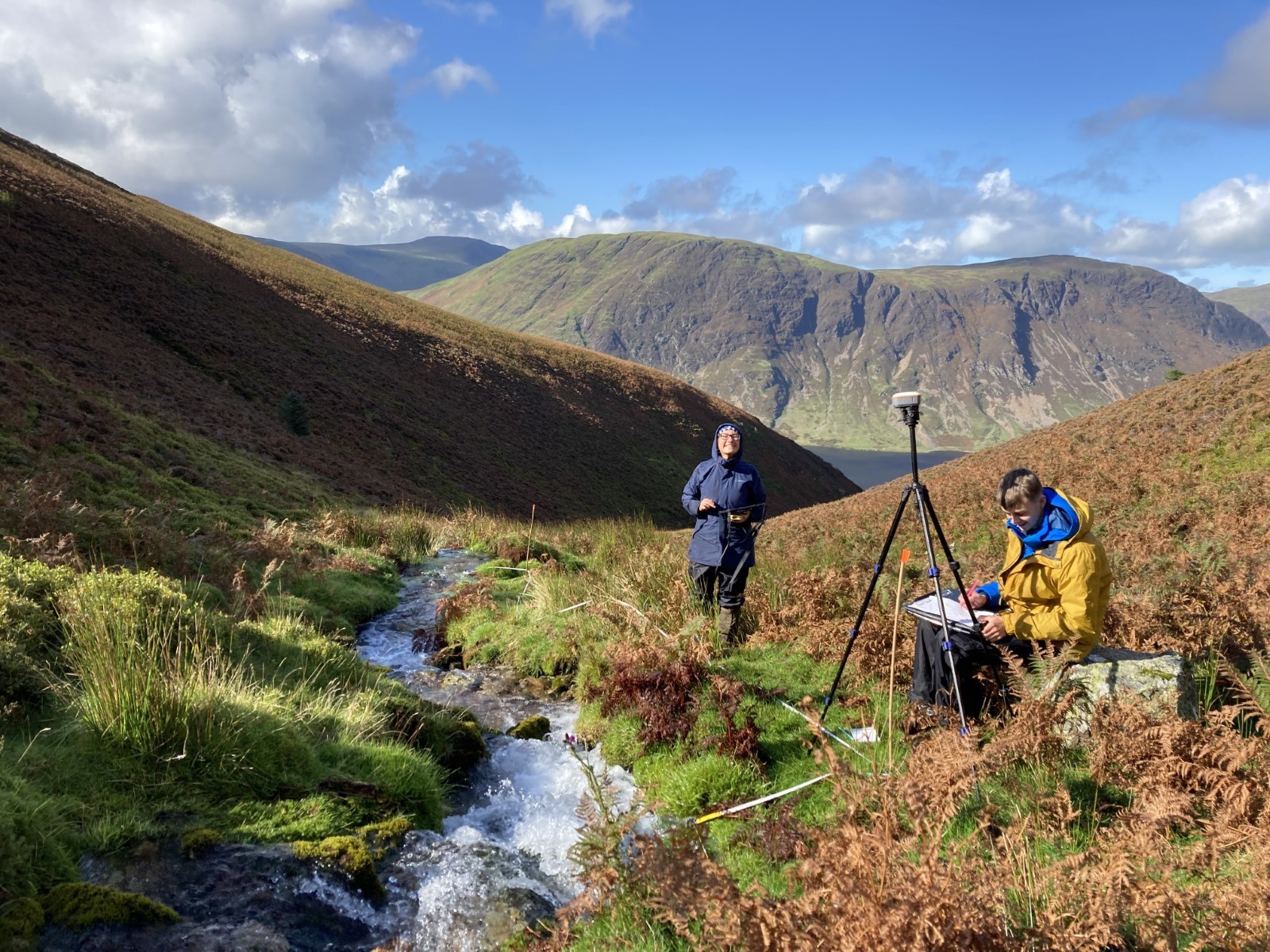
In addition, professional surveyors utilize cutting-edge technology such as GPS and drones to increase the precision of their work. This tech integration enables more detailed assessments of the land, allowing for in-depth topographic surveys and precise mapping that are critical in construction and land development projects. The knowledge that comes with certified surveying ensures adherence with zoning laws and local regulations, which is indispensable for the successful execution of any project, whether it's housing, business-related, or infrastructure-related.
Furthermore, hiring professional surveyors can lead to significant cost savings. When land developers and homeowners invest in thorough surveying services from the outset, they can avoid unexpected issues that can arise from incorrect site assessments. The role of a surveyor extends further than just measuring land; they provide invaluable advice that can save time, money, and resources in the long run. Proper surveying establishes the groundwork for all further development, making it a foundational element of any successful project.
Forms of Land Evaluations and Their Uses
Surveys of land come in various forms, all serving a particular purpose in real estate and development. A property boundary survey is crucial for determining the exact legal property boundaries and is commonly used by homeowners to prevent disputes with adjacent property owners. Topographic surveys are another type, producing comprehensive maps that show the natural and man-made elements of the land, including topographical variations. This form is important for architects and engineers when planning projects that require slope considerations.
Construction surveys, also known as staking surveys, are essential for assisting the location of structures and ensuring adherence with zoning regulations. These surveys involve marking the exact locations of buildings, roads, or other facilities on the ground. Property contractors often utilize these surveys to provide reliable information, allowing them to plan their projects effectively and efficiently.
Another significant type is the ALTA/NSPS survey, which meets national criteria for land surveys, delivering a complete view of property titles and any likely encumbrances. This type is especially beneficial for business real estate transactions, as it provides thorough information about easements, zoning, and desirability of the property. Every survey type plays a key role in facilitating successful land transactions and ensuring that projects comply with legal and environmental standards.
Technological Improvements in Land Measurement
Current advancements in technology have transformed the area of land surveying, enhancing both precision and efficiency. The incorporation of Global Positioning Systems allows surveyors to pinpoint coordinates with remarkable accuracy, making it simpler to conduct property surveys and terrain assessments. Furthermore, unmanned aerial vehicle technology has emerged as a revolutionary tool, enabling drone-based surveys that provide detailed views of lands and land parcels. This ability is especially advantageous for big projects, where traditional methods may be slow and demanding.
Moreover, the advancement of three-dimensional scanning has transformed the way land surveying professionals gather and process data. This method allows for thorough modeling of landforms and structures, which assists in imagery and planning for building projects. With application advancements, surveyors can handle and evaluate data more quickly, providing clients with quick insights and allowing for more informed choices. These innovations not only simplify workflows but also minimize the chance of faults in the surveying process.
As technology continues to develop, the surveying industry is expected to see even further improvements. Methods such as LiDAR are more and more being embraced, offering extremely accurate information gathering methods for ecological and land use planning. The ongoing integration of artificial intelligence and ML into land measurement practices promises to boost forecasting abilities and enhance project outcomes. Adopting these technological innovations ensures that the surveying sector remain at the forefront in an ever-changing worldwide environment.