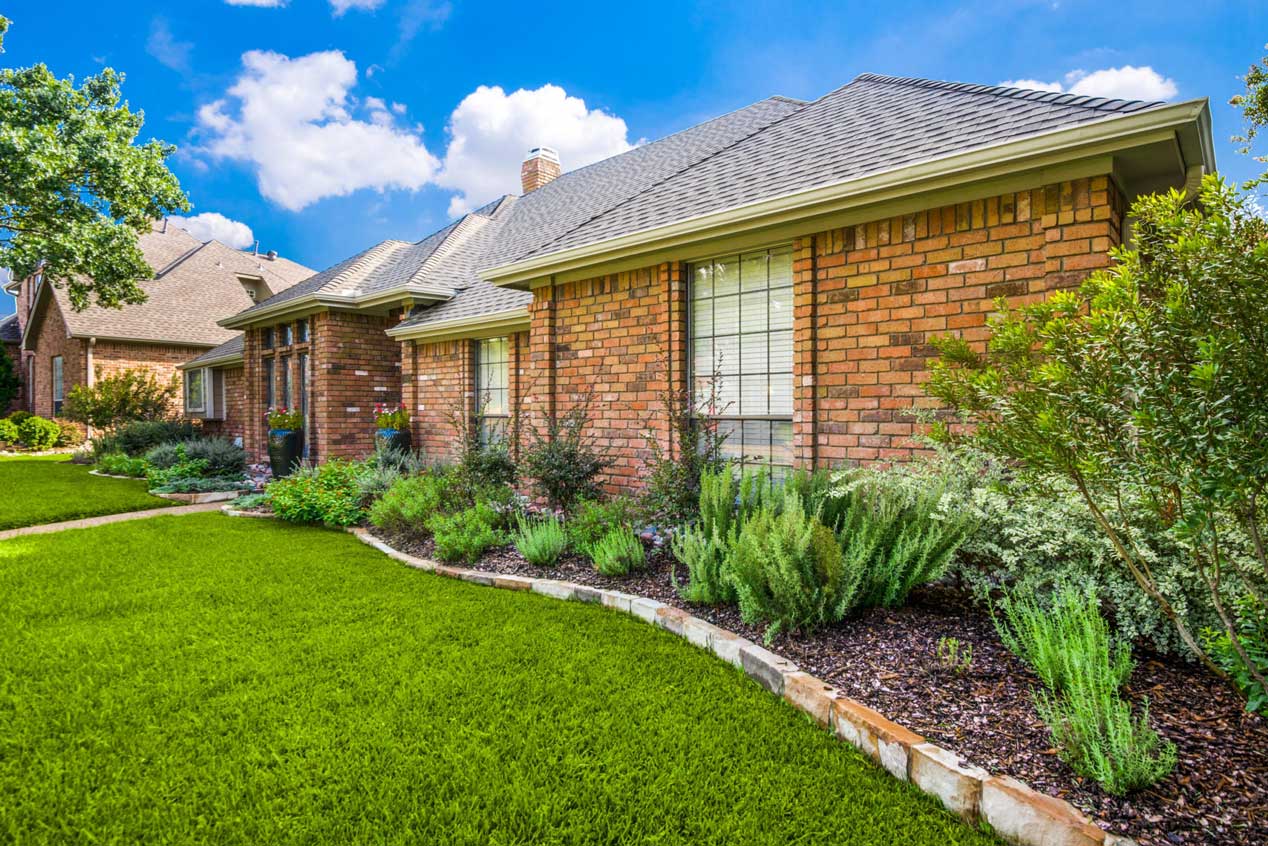
Garden design is an artistic discipline that merges the beauty of nature with the creativity of human creativity. As we more and more value external environments that provide peacefulness and links to the surroundings, innovative landscape design becomes crucial. Whether you have a sprawling backyard or a modest front yard, there are countless ways to transform your outdoor spaces into beautiful retreats that showcase your personal style.
In this write-up, we will examine a range of creative approaches to garden design, presenting inspiration and practical tips. From entry-level ideas for simple landscaping to advanced concepts that incorporate hardscaping and sustainable practices, we will show you through the top trends and key strategies for designing stunning, functional outdoor areas. Join us as we dive into the world of the natural palette, where your garden can truly come to life.
Innovative Garden Planning Solutions
Revamping your exterior environment can be an invigorating project, especially with innovative landscape design ideas that improve aesthetics and practicality. One method is to add modern water features like streamlined fountains or wild water bodies that can function as centers of attraction. These elements not only enhance aesthetic appeal but also create soothing noises that enhance tranquility in your garden. Pairing these water installations with well-positioned lounging areas can create an pleasant atmosphere for hosting or relaxing after a tiring day.
Another creative idea is the integration of structural features to shape your landscape's character. Using pathways with various elements such as stone, pebbles, or tiles can bring interest and guide viewers through your garden. Garden features such as covers or arbors can also serve two functions: providing protection while improving your landscape's appearance. This balance between structural elements and plant life can create a harmonious and cohesive exterior setting that feels both welcoming and professionally crafted.
Integrating local vegetation into your landscape design is both forward-thinking and environmentally responsible. These flora are adapted to your local climate and earth type, requiring less irrigation and care than non-natives. By planning a landscape that includes indigenous species, you not only promote variety in wildlife but also create a beautiful aesthetic showcase that changes with the seasons. This approach allows you to develop a connection with the natural environment while maintaining your landscape design remains easy to care for and eco-conscious.
Useful Tips for All Homeowner
When begin a landscape design project, it is important to grasp your space and its possibilities. Start by reviewing your yard’s sunlight, soil type, and drainage. Considering these aspects will help you choose the appropriate plants and layout. Additionally, think about how you wish to employ the space: hosting guests, gardening, or simply relaxing. This insight will inform your design choices and make certain you create a practical outdoor area that meets your wants.
Budgeting is another key factor of landscape design. You shouldn't break the bank to achieve amazing results. Prioritize your projects and concentrate on high-impact areas at the outset. For case in point, adding a few hardy plants or a small hardscape feature can significantly uplift your landscape. Utilize Have a peek at this website and consider DIY projects where possible. This method not only saves money but also contributes to the personal touch in your outdoor space.
Lastly, maintenance should be a point from the beginning. Choose low-maintenance plants and sustainable practices that reduce labor and costs. Using native plants will not only reduce upkeep but also nurture local wildlife and ecosystems. Keep in mind, a well-designed landscape should be pleasurable and manageable, allowing you to spend more time enjoying your outdoor haven instead of working on it.
Sustainable and Green Approaches
Incorporating eco-friendly approaches into landscaping not only helps the ecosystem but also creates aesthetically pleasing, vibrant outdoor spaces. One of the main components is the use of indigenous flora, which are well-suited to the regional climate and soil types. They demand less water, fertilizers, and pesticides, making them a low-maintenance and eco-conscious choice. Moreover, native plants support local wildlife, providing vital habitats and food sources for pollinators and other helpful species.
Another vital aspect of sustainable landscaping is the implementation of hardscaping elements that promote sustainability. Using porous materials for patios and walkways allows for improved water drainage and reduces runoff, which helps restore groundwater supplies. In addition, installing water features such as rain gardens or ponds can manage stormwater effectively while enhancing the aesthetic appeal of the landscape. These features can also foster diverse ecosystems, promoting a connection between your yard and the surrounding environment.
Finally, including fruit and vegetable gardens presents a distinct opportunity to endorse sustainability. Designing your garden to include fruit trees, vegetable patches, and herbs not only provides fresh produce but additionally reduces the carbon footprint linked to transporting food. Establishing a space where one can grow their own food promotes a self-sustaining lifestyle while enriching the landscape's beauty and productivity. By focusing on these eco-friendly practices, homeowners can develop inviting outdoor spaces that are simultaneously functional and eco-friendly.