

When it comes to designing a cozy and pleasant atmosphere in your home, few alternatives match hardwood flooring. With its timeless appeal, wooden flooring not only boosts the aesthetic beauty of every room but also brings a sense of grace and class that can elevate your home decor. As trends evolve and preferences shift, the versatility of hardwood flooring remains a consistent preference among property owners and designers alike.
Selecting the appropriate type of hardwood floor for your home can be a fulfilling journey, yielding both functional advantages and design that resonates with your personal taste. If you prefer rustic style or modern minimalism, the options available in today’s market cater to a wide range of tastes and practical considerations. In this write-up, we will examine the many advantages of choosing hardwood flooring, from its lasting durability to the possibility for increasing your home’s equity, while also providing essential tips on maintenance and care to maintain your floors looking pristine for the long term.
Advantages of Hardwood Flooring
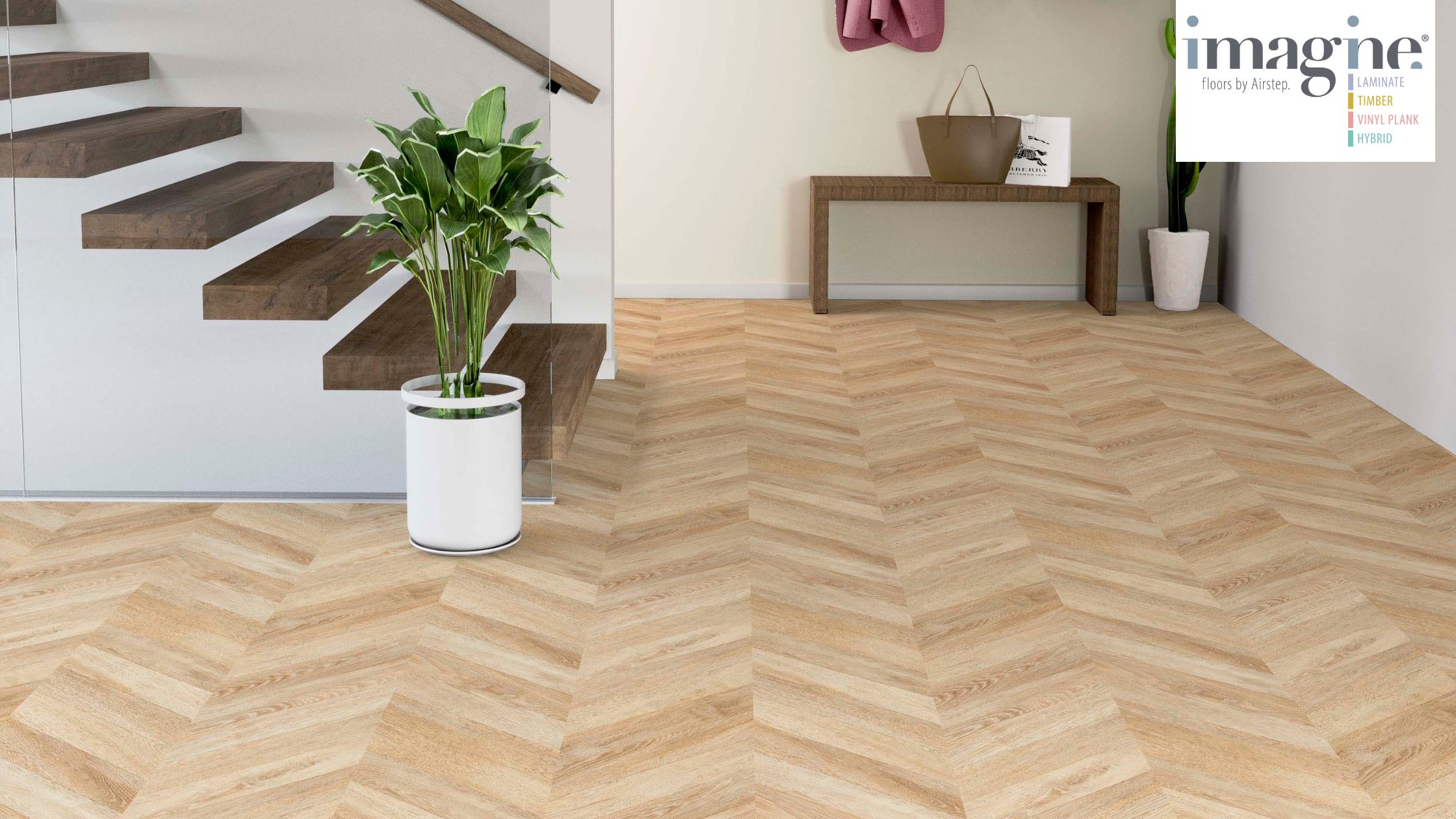
Timber flooring offers a enduring aesthetic that enhances the charm of every space. Its genuine patterns and warm hues add personality and elegance, creating a inviting setting that complements diverse interior designs. Be it a country cottage or a stylish apartment, hardwood flooring offer a adaptable setting that attracts a wide range of tastes and choices.
In addition to its visual attraction, hardwood floors is celebrated for its strength and endurance. By providing suitable care and servicing, hardwood flooring can endure for years, making them a smart investment for property owners. Unlike alternative floor solutions, hardwood can be re-surfaced multiple times, enabling it to retain its aesthetic appeal and utility over the years, which is a crucial element in its popularity.
Furthermore, hardwood floors can notably increase a house's worth. Potential purchasers often regard hardwood floors as a premium feature, causing increased re-sale returns. The organic substances used in hardwood floors also contribute to in-home breathability, as they resist trapping dirt and allergens like carpets. Overall, choosing hardwood flooring boosts both the visual and economic elements of real estate investment.
Determining the Right Wooden Floor
Determining the ideal wooden floor for your home demands thoughtful consideration of various elements. To begin, you must evaluate your lifestyle and the particular needs of your household. For example, if you have pets or young children, you may prefer to opt for a more durable wood species that can tolerate use, such as ash. Additionally, consider the traffic levels in various areas of your home. High-traffic zones like hallways and living rooms require sturdier finishes and wood types to aid maintain their appearance over time.
Then, assess the look you want to achieve. Wooden floors come in a variety of styles, colors, and finishes that can enhance any interior design. If you like a classic look with rich, dark stains or a modern, airy vibe with lighter hues, the selection of wood species and finish will impact the overall atmosphere of your space. Consider samples to see how different options look in your home’s lighting and alongside your existing decor.
Finally, consider your budget and the cost of installation. https://graph.org/Sustainable-Options-Environmentally-Friendly-Wooden-Flooring-Solutions-Options-01-19 comes at a elevated price point than engineered wood, but both have their pros. Engineered wood is often more straightforward to install and maintain, making it a practical choice for DIY enthusiasts. Finally, finding the perfect balance between aesthetics, durability, and budget will ensure you opt for a wooden floor that enhances your home's worth and beauty for years to come.
Maintenance and Advice
To maintain the aesthetic and longevity of your hardwood flooring, regular maintenance is essential. Start by vacuuming the floors weekly to eliminate dirt and debris that can damage the surface. When mopping, use a damp mop with a cleaner specifically designed for wooden floors. Steer clear of too much water as it can seep into seams and cause deterioration over time. A careful approach ensures that your floors remain in excellent condition and retain their natural luster.
Humidity levels play a crucial role in the maintenance of wooden flooring. To avoid warping or splitting, keep Visit this page between 30 and 50 percent. During cold months, think about using a humidifier to combat dry air. Additionally, be cautious with heating sources; placing area rugs in front of heaters or radiators can help shield the wood from too much heat exposure.
Safeguarding your wooden floors from damage is essential to preserving their aesthetic appeal. Use felt pads under furniture legs to avoid scratches and dents. To guard against water damage, quickly clean up spills and use entrance mats to trap moisture and dirt at entry points. Regularly inspect your floors for indications of wear, and address any issues immediately to maintain your flooring looking new and vibrant for a long time to come.