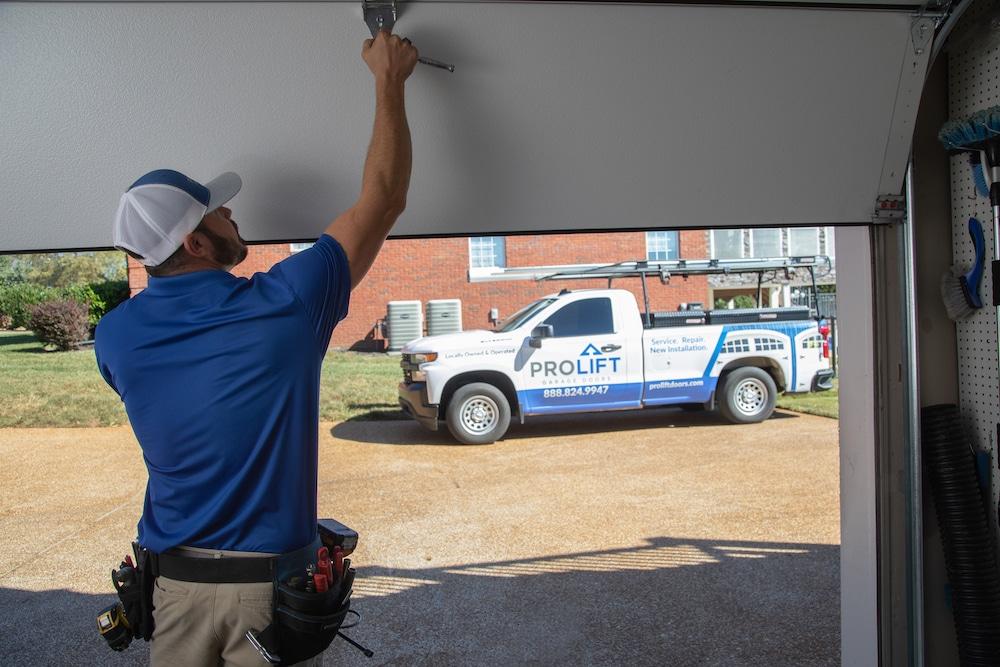
Garage door systems are essential components of a house that offer security, convenience, and aesthetic value. However, they are often overlooked until issues arise. Failing to notice indicators that your garage door requires repair can result in larger problems down the line, not to mention potential dangers. This guide seeks to enhance your knowledge of garage door care and fixes by providing expert insight on common issues and resolutions.
From comprehending the most common garage door issues to knowing when to call a repair expert, we will discuss everything you need to make sure your garage door operates well and securely. Whether you're facing a noisy garage door or a malfunctioning remote, our guidance will help you determine the right course of action. With the right knowledge, you can keep your garage door operating at its best while avoiding costly repairs in the future. Let's dive in and explore the key aspects of garage door repair and maintenance.
Indications That Your Garage Door Needs Repair
One of the primary clues that your garage door requires repair is when it starts to make strange noises. If you notice grinding, squeaking, or thumping sounds during operation, this can indicate that components are wearing out or that the door is not functioning correctly. Ignoring these sounds can lead to more serious issues down the road, so it’s crucial to observe any changes in the noise level when operating or closing the door.
Another evident sign is if the garage door does not open or close seamlessly. If it pauses, gets stuck, or only opens partially, this could point to problems with the garage door opener, springs, or tracks. These performance difficulties not only bother you but may also pose a safety threat, making it important to address them quickly. Regular inspections of the door's movement can help recognize these issues early.
Finally, an crucial sign that repairs are needed is visible wear and tear on the door or its components. Look for cracks, dents, or rust, especially around the hinges and springs, as well as any fraying cables. Such damage not only affects the door's appearance but also its operation and security. Taking note of these signs can help ensure that necessary repairs are made before they grow into costly replacements.
Frequent Garage Problems and Solutions
A of the more common issues homeowners encounter is a garage door that will not operate or shut correctly. This can stem from a defective garage door remote control, dead batteries, or incorrectly aligned sensors. To diagnose Additional resources , start by checking the remote batteries and making sure that the sensors are free of dirt and aligned. If the issue persists, check the opener motor to see if it is receiving power.
A different prevalent problem is a noisy garage door, which can be attributed by degraded rollers, hinges, or the requirement for lubrication. Consistent maintenance can help alleviate this problem. To quiet a noisy garage door, spray a silicone-based lubricant on moving parts, such as the tracks, rollers, and hinges. If the noise continues, it may indicate that particular components need fixing.
Garage door springs are also likely to failure due to wear. A broken spring can cause your garage door unusable and can pose safety concerns. If you see your door is unusually heavy or falls quickly when closing, it may indicate a broken spring. In this case, it is important to call a professional for fixing, as dealing with garage door springs can be risky due to their significant tension.
When should you Contact a Professional
Understanding when to contact a specialist for garage door repair is vital for maintaining safety and functionality. When you notice any signs of significant wear or damage, such as a garage door that is misaligned, making strange noises, or has damaged springs, it is best to seek professional assistance. Trying to fix major issues without specialist expertise can lead to additional damage or harm.
Another indicator that it's time to contact a professional is when you face electrical problems, such as a garage door opener that fails to respond or a remote that doesn't work. These issues often require expert knowledge to identify and repair safely. Additionally, if you’ve tried some basic troubleshooting—like checking the power supply or inspecting the sensors—but the problem continues, a specialist can provide the expertise needed to address more complex issues.
Lastly, if your garage door has been damaged due to severe weather or an accident, consulting a specialist is recommended. They can assess the damage accurately and offer the best course of action, whether it's repair or replacement. By identifying these situations early, you can ensure your garage door operates safely and efficiently for a long time to come.