

In recent years, these systems have emerged as a preferred choice for homeowners looking for efficient and sustainable climate control options. As energy costs rise and environmental concerns become paramount, more people are exploring how heat pumps can not only reduce their carbon footprint but also help save on energy bills. This thorough guide covers everything you need to know about heat pumps, from their fundamental function to their setup and maintenance.
If you are planning on utilizing a heat pump or just looking to learn more about this cutting-edge technology, we will delve into the various types of heat pumps, their performance in different climates, and the many advantages they provide over traditional HVAC systems. By the end of this guide, you will have a clear understanding of why heat pumps might be the right choice for your home, and how you can maximize their benefits for the long term.
Grasping Heat Pump Technology
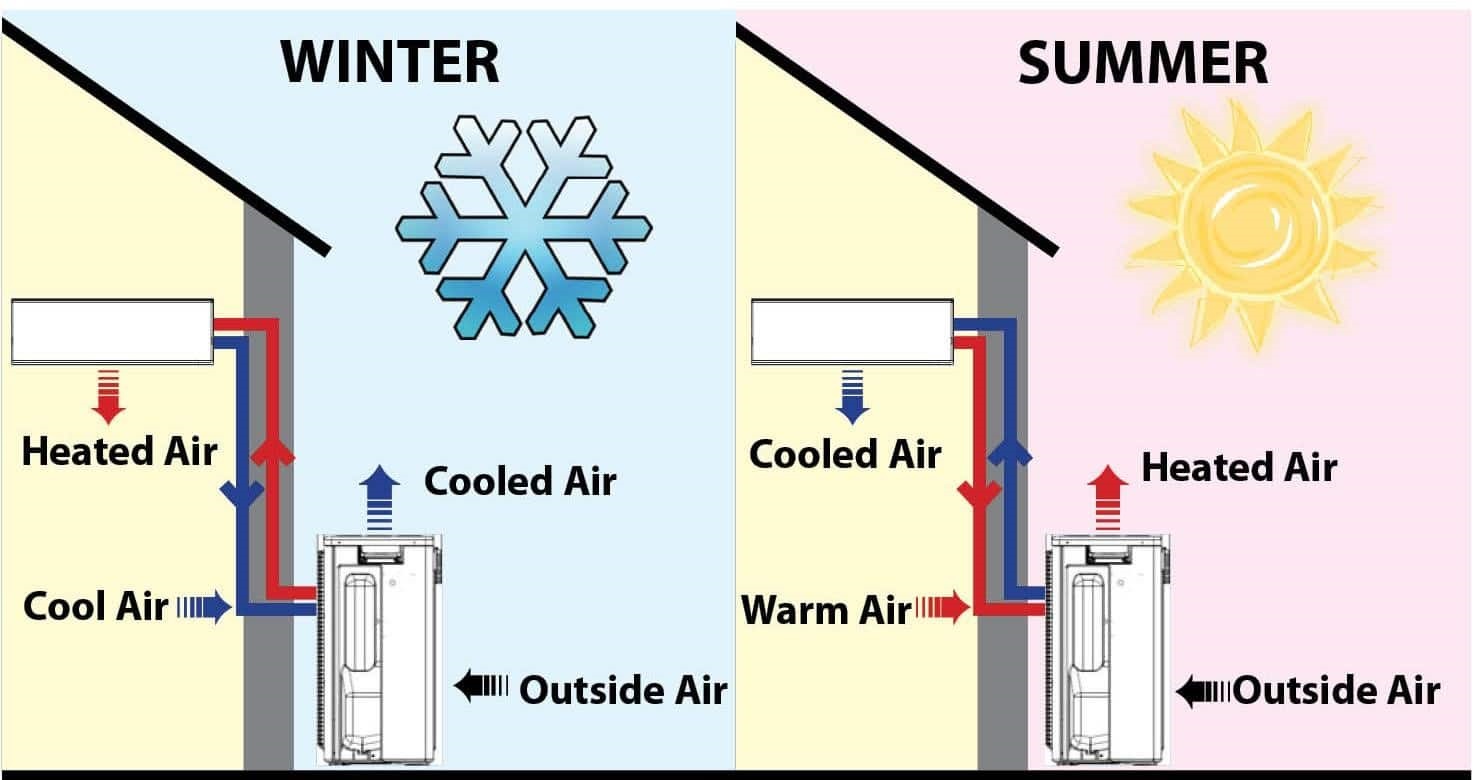
Heat pumps are modern devices that provide both heating and cooling for residences by shifting heat rather than creating it. https://airsourceheatpumpsyorkshire.com/ work by utilizing refrigerant to absorb heat from one location and release it in another, which makes them highly efficient. This method allows heat pumps to provide up to triple more energy in heating or cooling than they use, which results in significant energy reductions for property owners compared to standard HVAC systems.
There are multiple types of heat pumps available, primarily air source and geothermal, each with their distinct advantages and drawbacks. Air source heat pumps extract heat from the air, while ground source heat pumps, also referred to as geothermal heat pumps, draw heat from the ground. The choice between these systems often is based on factors such as regional weather, property size, and energy efficiency needs. Homeowners should consider their specific circumstances when selecting on the best type of heat pump for their home.
As heat pump technology continues to advance, they are becoming an increasing popular option for home heating and cooling. This rise in popularity is driven not only by the efficiency and cost savings they provide but also by their sustainable advantages. Heat pumps can significantly reduce greenhouse gas emissions, thus making them an attractive choice for those seeking to lower their carbon footprint and contribute to a more sustainable future.
Setup and Maintenance
Setting up a heat pump needs careful organization and consideration of your home's specific needs. It is important to choose the right size and kind of heat pump for your space, which can entail a capacity assessment to evaluate the system's capacity. Homeowners should also consider the location of the unit, as both air source and ground source heat pumps have distinct installation requirements. It is recommended to engage a qualified professional with expertise in heat pump installations to ensure proper installation and compliance with local codes.
Care is key to maintaining your heat pump operating efficiently and extending its lifespan. Regular servicing, typically once a year, should include monitoring the refrigerant amounts, cleaning or changing air filters, checking ductwork (if applicable), and ensuring that the outdoor unit is free of obstructions. By adhering to these maintenance recommendations, homeowners can significantly reduce the risk of failures and costly repairs while enhancing energy performance.
Being cognizant of common issues can assist homeowners troubleshoot problems immediately. For example, it's essential to monitor the efficiency of your heat pump, as declining efficiency or strange noises can indicate underlying issues. Many heat pumps come equipped with smart technology that can alert you to efficiency variations. Addressing these problems swiftly with a certified technician can avert further issues and ensure a comfortable home environment throughout the year.
Price and Efficiency Assessment
When evaluating the installation of a heat pump, it is essential to assess both the upfront expenses and the sustained benefits on energy bills. Heat pump installation costs can vary widely depending on the type, dimensions, and placement of the unit. Generally, air source heat pumps are less expensive to set up than ground source systems. However, homeowners should remember that while the upfront investment may be higher for geothermal systems, they often offer more long-term savings due to their efficiency, particularly in extreme temperatures.
Efficiency is a crucial factor in determining the overall performance of heat pumps compared to traditional HVAC systems. Heat pumps operate by transferring heat rather than creating it, leading to greater efficiency ratings. A properly set up heat pump can provide significant energy savings, often lowering utility bills by up to 50 % relative to conventional heating systems. Homeowners should search for units with a high HSPF rating for heating and SEER for cooling to maximize savings over time.
Furthermore, various incentives, such as refunds and tax credits, are becoming more available to offset the costs of installation. In the U.S., these financial benefits can significantly cut the initial investment required for a heat pump system. When evaluating these systems, it is important for homeowners to conduct a thorough cost and efficiency analysis to ensure that they are making a financially sound choice that aligns with their energy needs and environmental goals.