

Spray-painting is a type of art that allows individuals, from beginners to seasoned DIY enthusiasts, to change surfaces and give fresh energy to their projects. If you're wanting to revamp a piece of furniture, refresh the exterior of your home, or tackle an artistic project, learning the fundamentals of spray painting can make a big difference in achieving a professional result. In this article, we'll explore simple and fast hacks that will help you move through the world of spray painting with assurance, ensuring that even novices can produce beautiful finishes.
From choosing the right spray paint for your project to avoiding common mistakes, this article will provide you with valuable insights and tips. You'll discover how to get ready surfaces effectively, select the best tools, and know the differences between spray and brush painting. With our practical advice, you'll be set to becoming proficient in the art of spray painting, all while enjoying the process of creativity and self-expression. Let's dive into the key hacks that make spray painting a walk in the park for beginners.
Essential Methods for Newcomers
Getting started with spray painting can be a rewarding experience, but it needs some fundamental techniques to obtain great results. One of the most vital tips is to maintain a stable hand while keeping the appropriate distance from the surface. Generally, you should hold the spray can approximately 6 to 12 inches away to ensure an uniform application. It's also essential to maintain the can active in fluid, side-to-side motions. https://notes.io/eqXrR prevents drips and runs but also helps spread the paint consistently across the surface.
Getting ready is another key technique that every newcomer should learn. Before you begin spray painting, it is important to clean and prime the surface properly. This might require sanding any rough areas to create a even base and cleaning off dust or grease to secure proper adhesion. If you're working with especially porous materials, a primer will help protect the surface, enabling the spray paint to bond better and look more professional. Never rush this step, as it sets the groundwork for your entire project.
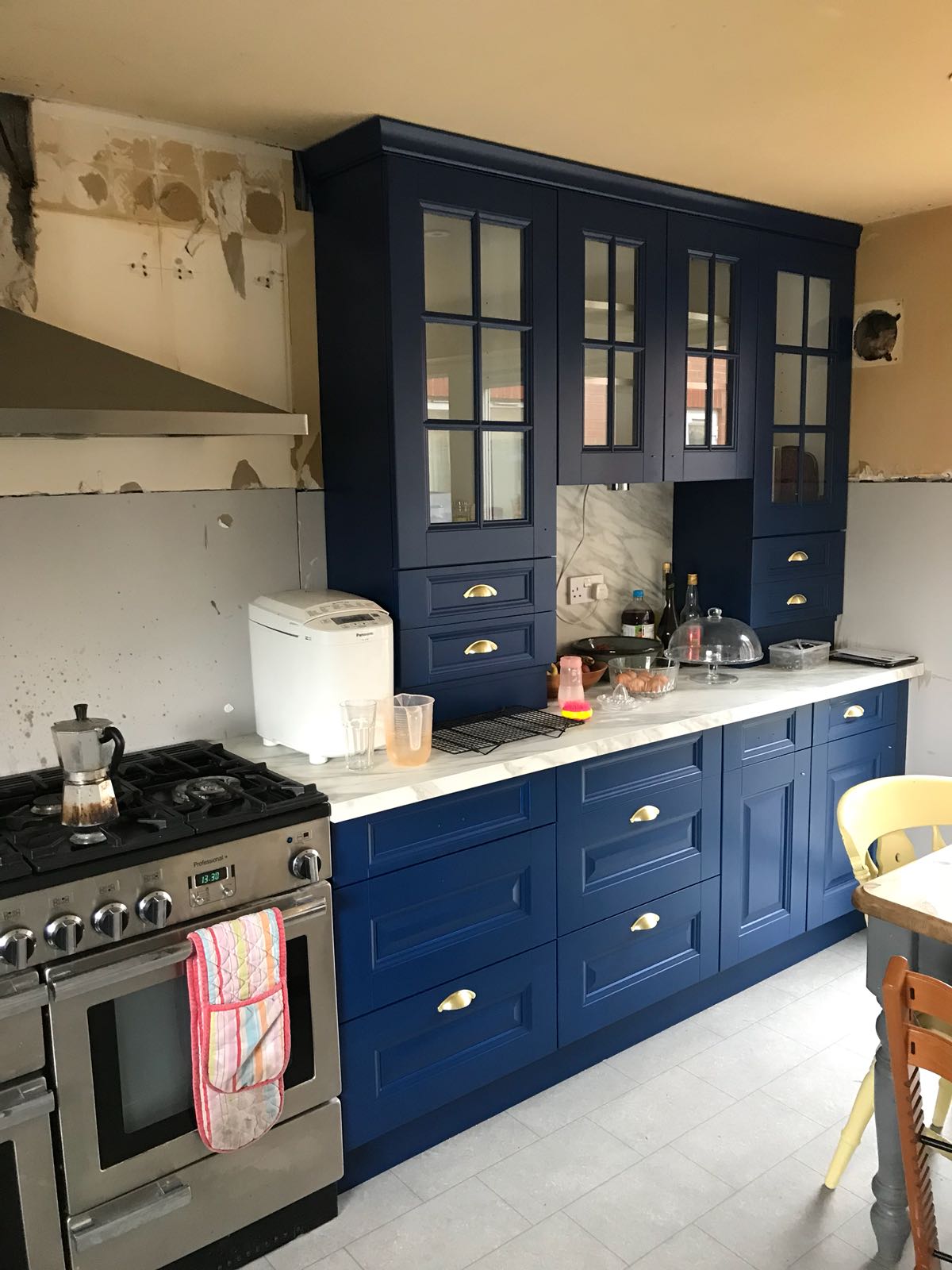
Finally, beginners should pay attention to environmental conditions. Spray painting is best done in a well-ventilated area with low humidity and warm temperatures, ideally between 65 and 85 degrees Fahrenheit. Avoid windy conditions if you are working outdoors, as this can result in uneven coverage and overspray. By being mindful of these environmental factors, you can enhance your chances of reaching a flawless and seamless finish.
Frequent Errors plus How to Avoid Them
One of the major mistakes novices make while spray painting is failing to consider preparing the surface. A well-prepped surface is crucial for attaining a smooth finish and ensuring good paint adhesion. Before starting your project, prepare the surface well to get rid of dust, grease, and old paint. Sand any bumpy areas and fill in holes or imperfections with suitable fillers. Always apply a coat of primer to boost adhesion and guarantee even color coverage.
Another recurring error is neglecting the right distance from the surface while spraying. Holding the spray can too near can cause drips and uneven coverage, while spraying from too far away results in a dull finish. Aim to maintain a distance of about 6 to 12 inches from the surface as you paint and use smooth, even strokes. It's also crucial to overlap your spray strokes slightly to guarantee even coverage avoiding any missed spots.
In conclusion, many beginners fail to appreciate the impact of environmental conditions during spray painting. Humidity, temperature, and wind can greatly affect the paint's performance and drying time. Try to spray paint on a calm day when temperatures are ranging from 50 and 90 degrees Fahrenheit. If painting indoors, make sure proper ventilation to let the fumes to dissipate. By keeping an eye on these conditions, you can reduce the likelihood of common issues like bubbling, running, and uneven drying.
Advice for Reaching Quality Results
To achieve professional results in your spray painting projects, planning is key. Start by carefully preparing the surface you will be painting and making sure it is dry and clear of dust, oil, or existing paint. Click for more info may be helpful to utilizing a base coat to create a smooth base, improve adhesion, and refine the total appearance. This step is especially crucial for surfaces like metals and wood, as it helps to lessen imperfections and extends the durability of the paint.
When it comes to application, perfect the technique of starting and stopping before the surface. This helps to reduce heavy spots and splatters. Maintain a consistent distance of around six to six inches inches from the surface while spraying, and employ smooth, steady strokes. Overlap each pass by about 50% to ensure uniform coverage and a smooth finish. In addition, consider the circumstances under which you are painting; moderate temperatures and decreased humidity levels provide the optimal results.
Lastly, take your time during the task and allow enough drying time between coats. Hurrying can lead to problems, such as unsightly blemishes and inconsistent texture. If any difficulties do arise, such as drips or inconsistent patches, resolve them promptly by lightly sanding the area once dry before applying the next coat. By following these suggestions, you can elevate your spray painting skills and attain a polished finish on your tasks.