

When was the final moment you thought on the electrical system within your house and business? For numerous people, electrical evaluations are an afterthought, often overlooked till a problem arises. However, regular electrical inspections prove to be crucial for ensuring safety, preventing hazards, and maintaining the efficiency of your electrical systems. Whether you happen to be a property owner, a business owner, or engaged in real estate transactions, understanding the significance of electrical inspections might profoundly influence the safety and value of your property.
In this guide we will explore what electrical inspections consist of, why they are vital for home and business safety, and the recommended frequency of inspections. Furthermore, we will talk about common issues discovered during inspections, tips on preparing for one, and the specific needs of different types of properties. By the end of this guide, you will have a comprehensive understanding of how electrical inspections help protect your investment, enhance safety, and even increase energy efficiency.
Grasping Electrical Equipment Inspections
Electrical reviews constitute a critical aspect of preserving safety and operability in both settings. Such assessments entail a thorough review of a building's electrical system to verify that it complies with current safety standards and regulations. Inspectors examine potential risks, code violations, and signs of wear and tear that could cause serious problems like fires or electrical failures.
The value of routine electrical inspections is critical. By detecting problems early, homeowners and business owners can address issues before they escalate into costly and hazardous situations. Inspections also help ensure compliance with local regulations, which is essential for gaining insurance and safeguarding investments. For new residence purchasers, inspections provide reassurance, revealing the overall status of the electrical system before making a purchase.
As technology evolves, the methods used in electrical inspections are evolving. Modern instruments and techniques, including thermal imaging and smart sensors, empower inspectors to detect problems that may not be noticeable to the naked eye. This transition enhances the reliability of reviews and helps in planning repairs or upgrades more effectively. Ultimately, grasping the importance of electrical inspections is critical for protecting properties and ensuring the well-being of all occupants.
Typical Problems Discovered in Assessments
Electrical assessments often uncover a number of frequent issues that can present safety risks or indicate the need for maintenance. One typical issue is outdated wiring. Many homes, especially those constructed numerous years ago, may still have knob and tube or aluminum wiring that does not satisfy current safety standards. These types of wiring can be hazardous, increasing the chance of electrical fires or appliance malfunction due to improper load management.
Another frequent issue discovered during inspections is inadequate grounding. Grounding is crucial for properly directing electrical surges or faults away from the home. If grounding are inadequately installed or totally absent, homeowners may face electrical shock risks or device damage. Inspectors frequently identify that GFCI receptacles, which are critical for avoiding shock in damp areas, are either missing or not functioning properly, further compromising safety.
In addition to wiring and grounding problems, inspectors often identify overloading circuits. This condition arises when too many appliances are connected to a single circuit, leading to overheating and potential fires. Homeowners may not understand the dangers of overloading circuits, especially if they often use multiple appliances in tandem. Spotting these issues during an electric inspection is important for guaranteeing a compliant electrical system in any residence.
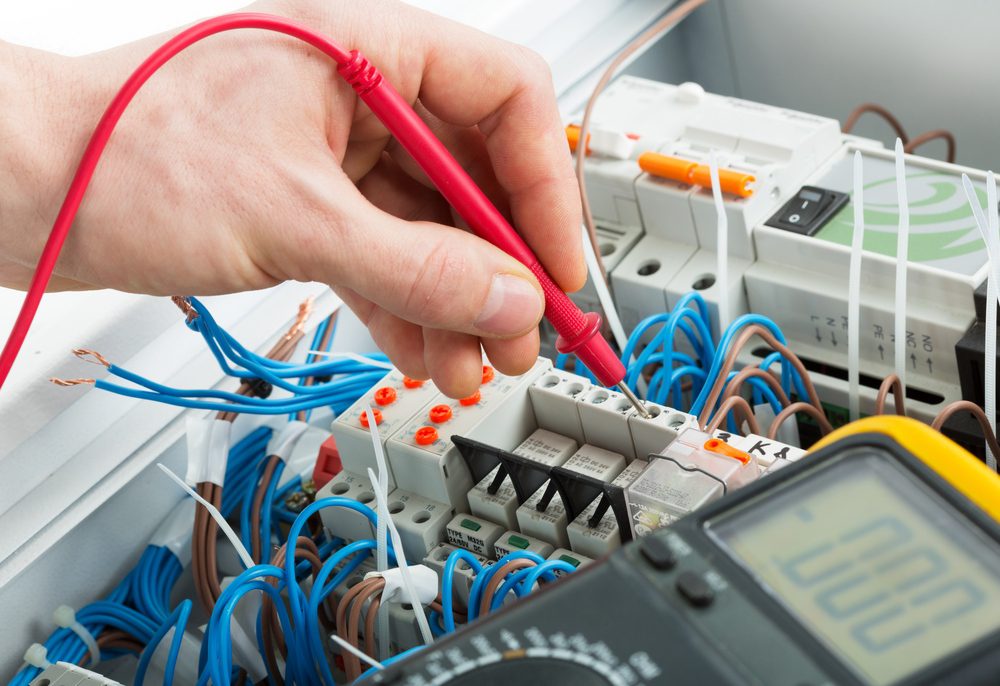
Organizing and Preparing for Examinations
When it comes to scheduling an electrical inspection, it's crucial to plan ahead. Homeowners should think about their local regulations, which may dictate how often inspections are required. Creating a plan aligned with care and renovation timelines can help ensure that your electrical system is always compliant and operating safely. It is recommended to book an inspection at least once every multiple years, especially if you reside in an antique home or have recently made major updates to your electrical system.
Preparation for an electrical inspection can make the process more straightforward and more efficient. Homeowners should take time to remove areas around electrical panels, outlets, and breakers. This space allows the inspector to conduct a thorough assessment without obstacles. Additionally, collecting any previous inspection reports, renovation documents, and warranties related to electrical work can provide valuable context for the inspector and enhance their understanding of the home's electrical history.
Finally, communication is key. Ahead of the inspection, discussing any specific concerns or recent changes with your electrician can provide important details. If you have lately renovated your home, consider recording those changes. EICR Fife can help the inspector identify potential issues and ensure your home is both safe and conforming with current electrical codes. Being forward-thinking not only encourages a successful inspection but also contributes to the overall safety and efficiency of your electrical system.