

In the realm of home improvement, some of the most impactful and transformative projects you can undertake is renovating your flooring. If you’re aiming to breathe new life into your space or enhance its value, the perfect flooring can create the tone for your entire home. With a multitude of options available today, including hardwood and laminate to tile and vinyl, choosing the best fit can feel overwhelming. Here is where this comprehensive guide comes in.
Throughout this piece, we'll walk you through the details of DIY flooring projects, breaking down all the essential information to achieve stunning results. Starting with understanding the specific benefits of different materials to examining the latest design trends for 2026, we’ll arm you with the knowledge to make informed decisions. Plus, we are going to share practical tips on installation, maintenance, and how to avoid common pitfalls, ensuring your flooring project is a success from start to finish. Whether you are a seasoned DIY enthusiast or a first-timer, you'll find plenty of inspiration and guidance here to transform your space.
Picking the Ideal Floor Covering
Choosing the suitable flooring material is important for building a cozy and attractive environment in your living space. Consider the complete aesthetic of your area, as well as the purpose of each space. If you're searching for a modern, streamlined appearance or a inviting, traditional aesthetic, the selection of flooring can considerably affect the character of your house. It's essential to assess your lifestyle, especially if you have animals or young ones, as this will inform your choice towards the most appropriate options.
Then, consider about the realistic features of each flooring. Longevity is a major aspect, particularly in frequently used areas like hallways and common areas. Certain options may require greater upkeep than others, so understanding the care involved associated with solid wood, laminate, synthetic, or stone will help you to make an wise selection. Additionally, consider how each option of floor cover fits with other features in your home, such as decor and decorative hues, to ensure a harmonious style throughout.
Lastly, financial considerations plays a significant part in your flooring selection choice. There are various choices available at different cost levels, from premium materials to cost-effective choices. Assessing the sustained benefit of your spending is vital; certain types of flooring may have higher initial expenses but could save expenses in upkeep and lifespan. By considering all these factors together, you can pick the floor cover that not only fulfills your requirements but also boosts your home's overall charm.
DIY Setup Advice
When tackling a DIY flooring project, preparation is key to attaining stunning results. Begin by ensuring that your subfloor is clean, dry, and level. Any flaws can lead to issues down the road, so take the effort to repair any breaks or uneven areas before proceeding. Gather all essential tools and materials before you start, which may include a measuring tape, saw, adhesive, and flooring boards. This will assist streamline the installation process and minimize interruptions.
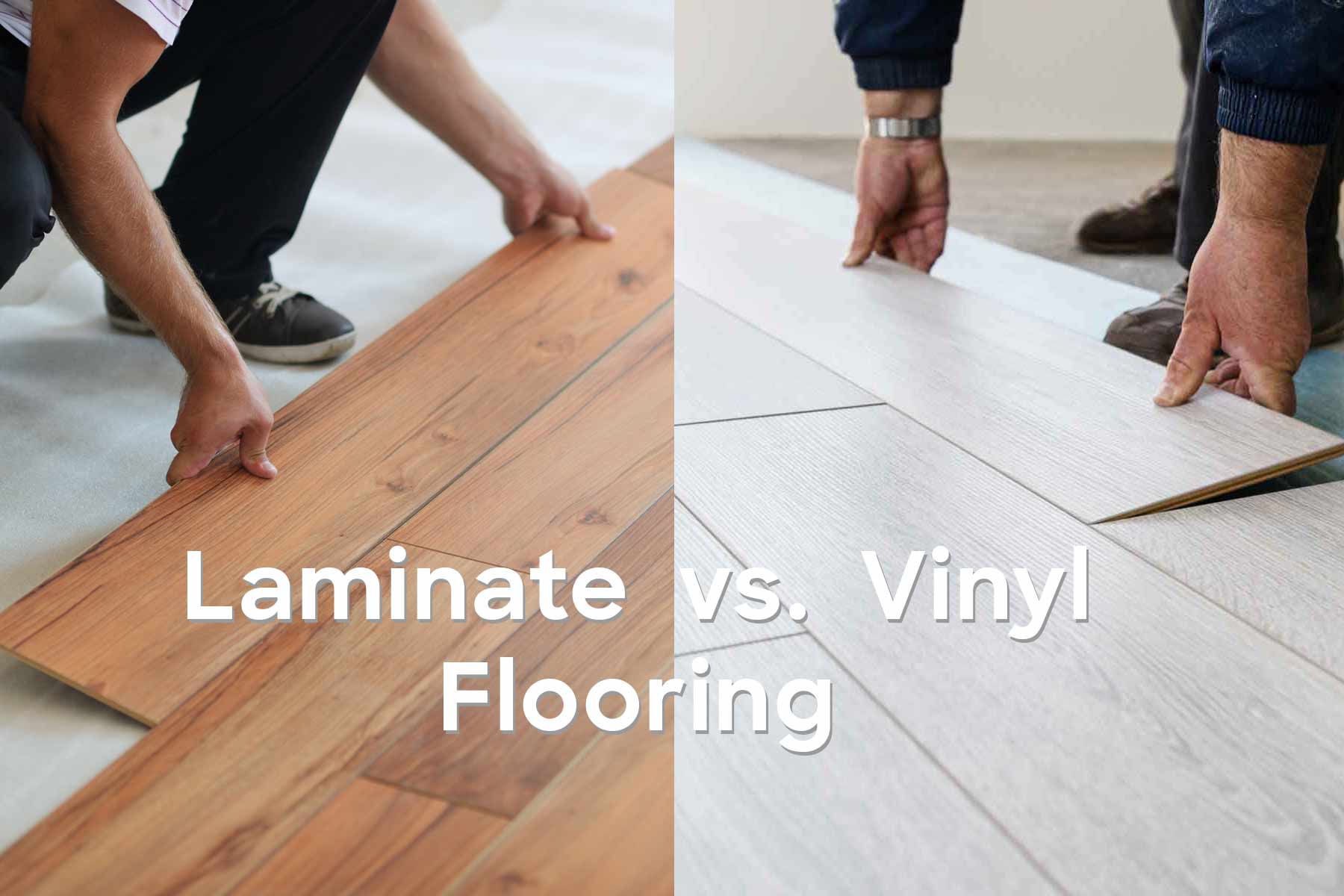
As you start laying your flooring, be aware of the design. Consider the direction in which you want the flooring to be oriented, as this can affect the final look of the space. For example, laying hardwood or laminate planks diagonally can create a feeling of space, while installing them in line to the longest wall can give a more classic appearance. Make sure to adjust your flooring materials according to the manufacturer's guidelines before installation. This aids to avoid distortion and ensures that the materials adapt to the room's temperature and humidity.
Finally, do not hurry through the installation. Take your time to measure and cut accurately, and always check your alignment as you go. If you're working with tiles, maintain appropriate grout lines and be sure to use spacers for uniform placement. For all flooring types, it's helpful to leave a small buffer zone around edges to accommodate any natural movement in the materials. By focusing to these elements, you'll improve the durability and aesthetic appeal of your new flooring.
Maintenance and Maintenance
Correct care and preservation of your floors is crucial to ensure its durability and appearance. For hardwood floors, regular sweeping or vacuuming to remove grime and particles can prevent scratches. Occasional damp mopping with a neutral solution will help maintain its shine. Avoid using strong chemicals or excessive water, as these can damage the wood. For laminate wood flooring, a similar approach applies: maintain it clean with gentle products designed specifically for the surface to prevent distortion or color loss.
If you have chosen vinyl or tile flooring, maintenance is typically minimal effort. Routine brushing or vacuuming will be sufficient, along with cleaning with a proper cleaner. For tile surfaces, periodic joint cleaning can improve the overall appearance and prevent accumulation. In homes with animals, making sure prompt cleanup of spills and litter can help maintain the floor's condition and eliminate odors. Moreover, placing https://www.qcflooringcontractors.co.uk/best-school-flooring-buckinghamshire/ at entryways can help reduce the amount of soil tracked indoors.
Knowing how to maintain your particular flooring will significantly help in preserving its beauty. Always consult manufacturer guidelines for maintenance, as various materials have specific requirements. From routine cleaning to guarding against scratches and moisture, investing effort in the maintenance of your flooring will ensure them looking beautiful for an extended period to follow.