

In the challenging world of business painting, contractors are constantly seeking ways to boost efficiency, provide flawless finishes, and reduce downtime. As jobs grow in complexity and complexity, the benefits of using spray systems become increasingly clear. Spray painting not only enables rapid application across large surfaces, but it also provides a consistent and smooth finish that brushes and rollers often have trouble to achieve. This approach is transforming how companies approach their painting needs, making it an important consideration for commercial projects of all scales.
Whether it's a warehouse, an office refurbishment, or a retail space, recognizing the benefits of commercial paint spraying can greatly impact a project's overall success. From the cost savings associated with faster application times to the eco-friendly paint options that meet modern sustainability goals, there are numerous reasons to choose this method over traditional painting techniques. By exploring the nuances of airless versus HVLP systems, surface preparation techniques, and best practices for safety and ventilation, companies can make knowledgeable choices that lead to outstanding results.
Benefits of Professional Coating Application
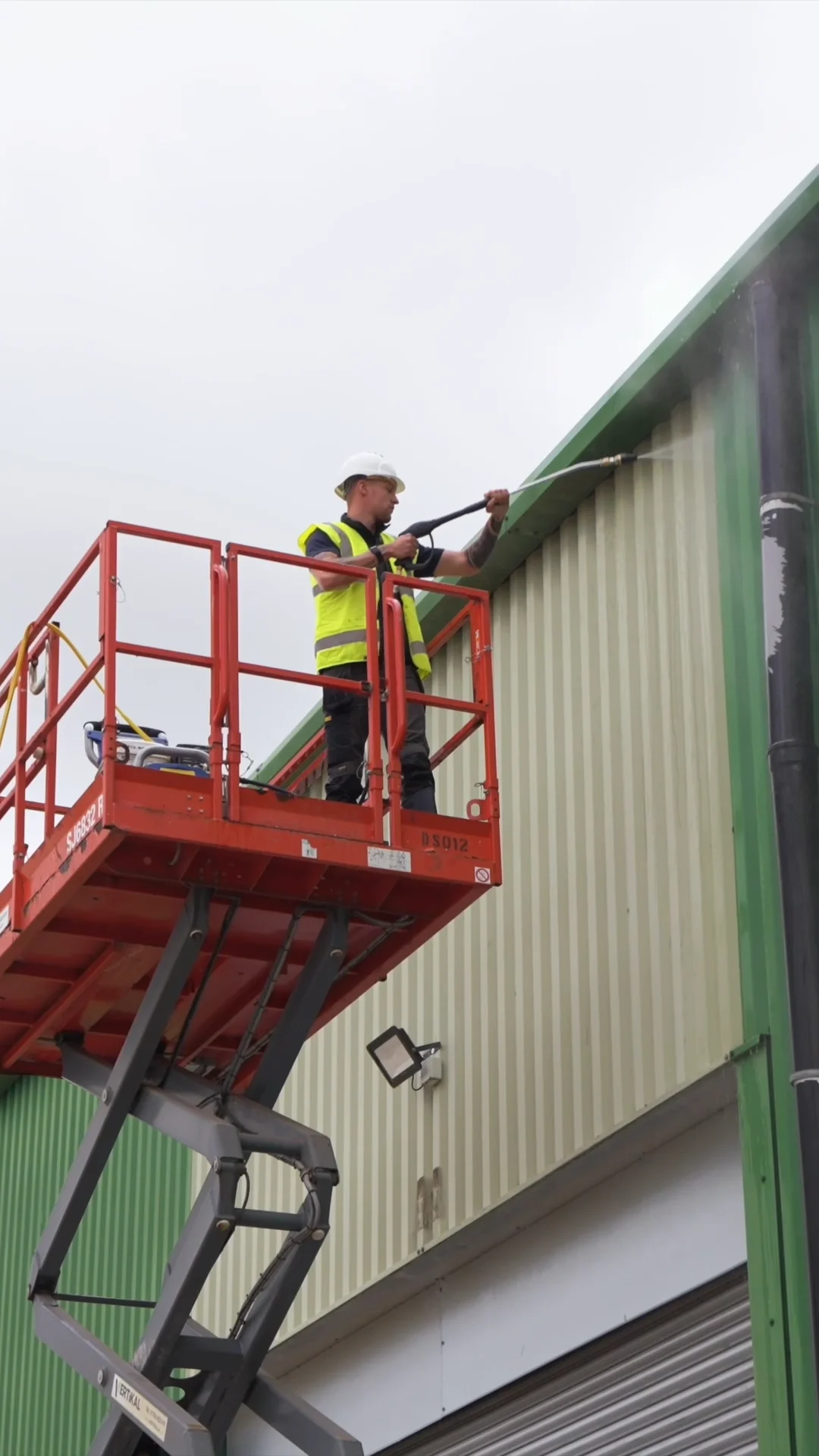
Commercial coating spraying offers many advantages that make it a popular method for big projects. One of the main benefits is efficiency. Spray systems can paint large surfaces quickly, substantially reducing the time required to complete a job in contrast to traditional brush or roller application methods. This quickness not only helps to meet tight timeframes but also enables businesses to resume operations with minimal disruption, a crucial factor for ongoing business activities.
An additional significant advantage is the even and flawless finish that spray systems provide. With cutting-edge technology in airless and HVLP (high volume low pressure) systems, paint is distributed consistently, resulting in a professional look that enhances the visual appeal of commercial spaces. This consistent coverage also guarantees that surfaces are better protected against damage, which is especially crucial in high-traffic areas like shopping spaces and manufacturing settings.
Cost-effectiveness is a further key aspect driving the adoption of commercial coating application. While the upfront investment in spray equipment may be higher than traditional methods, the lower labor costs, decreased project timelines, and durable finishes contribute to significant financial savings. Businesses often find that the caliber and longevity of sprayed coatings lead to reduced maintenance expenses over time, making it a smart budgetary choice for large coating projects.
Determining the Appropriate Spray System
Choosing the appropriate spray system for commercial painting jobs is crucial for obtaining optimal results. Commercial Spraying Lincoln are airless and HVLP (High Volume Low Pressure) systems. Airless sprayers are ideal for extensive projects, such as warehouses and factories, due to their capacity to spray a more substantial coat of paint efficiently, covering extensive areas quickly. On the contrary, HVLP sprayers are more appropriate for detailed work, providing accuracy and less overspray, making them favored for retail spaces and office refurbishments.
When choosing a spray system, evaluate the particular requirements of the project. For instance, if the job involves high ceilings or difficult-to-access areas, high-level commercial paint spraying equipment will be essential. Additionally, the type of paint being used and the surface being sprayed will influence the choice of equipment. Applying the appropriate technique and utilizing specialized tools can greatly improve finish quality and efficiency.
Finally, it's essential to consult with knowledgeable contractors who comprehend the nuances of various spray systems. They can help you in making an informed decision that aligns with your project's needs, ensuring both time efficiency and a flawless finish. Proper selection not only enhances the overall aesthetic but also contributes to enduring results that remain intact.
Best Practices for Successful Paint Application
To achieve the best results in industrial paint spraying, proper surface preparation is essential. This involves washing the surfaces thoroughly to remove dirt, grease, and existing coatings. Any imperfections such as cracks or holes should be repaired to secure a level base for the paint. Additionally, applying a suitable primer can enhance adhesion, especially when working with difficult materials like metal or plastic. Confirming that the surfaces are uncontaminated and free from contaminants will lead to a smoother finish.
Choosing the right spray system is equally important for a effective application. Contractors must assess the project requirements and select between airless or HVLP (high-volume, low-pressure) systems based on the paint type and surface being sprayed. Airless systems usually provide quickness and effectiveness for large areas, while HVLP systems deliver accuracy for fine work. Understanding the client's needs and the environment will guide the decision, making certain optimal results are achieved.
Lastly, providing proper ventilation during the spraying process is essential for both safety and quality. Proper airflow helps to remove harmful fumes and speeds up drying times, which can significantly affect the project schedule. When spraying in confined spaces, utilizing exhaust fans or opening windows will create a healthy environment for workers. Providing for ventilation not only guards health but also contributes to a seamless finish by preventing issues such as overspray or paint sag.