

Recently, the term artificial intelligence agents has become increasingly prevalent, yet many still question what these intelligent systems truly are. At their core, AI agents are independent software programs designed to perform particular tasks by utilizing artificial intelligence techniques. They can examine data, learn from their environment, and take actions with limited human intervention, making them powerful tools for businesses and individuals alike. This journey from simple chatbots to sophisticated AI companions reflects notable advancements in technology, prompting a reassessment of how we engage with machines.
As businesses continue to pursue innovative solutions to enhance efficiency and productivity, AI agents have emerged as essential players in the modern landscape. Unlike traditional AI chatbots, which primarily focus on user interaction, AI agents can streamline a wide range of processes across various sectors. They are transforming customer assistance, marketing, sales, and project management by optimizing tasks and providing insightful insights. Understanding the value and applications of AI agents is crucial for anyone looking to explore the ever-evolving world of technology and utilize these tools for subsequent success.
Comprehending AI Agents and Their Capabilities
AI automated systems are sophisticated software programs engineered to perform specific tasks independently, employing artificial intelligence to interpret, learn from, and respond to a range of inputs. Unlike traditional software, which needs precise human instructions for each action, AI agents can make judgments based on the data they collect and assess. This capability allows them to operate independently, effectively minimizing the need for continuous human oversight and enabling organizations to streamline their processes.
The functions of AI agents extend across numerous domains, including client support, advertising, commerce, and medical services, among other areas. These systems can analyze large volumes of data rapidly, identify correlations, and predict results, resulting in more intelligent decision-making. For Nenos Software , in client support, AI systems can provide prompt responses to queries, thereby enhancing customer satisfaction and freeing up human agents to handle more complex issues. Their capability to learn from interactions also allows them to improve continuously, making them progressively valuable over time.
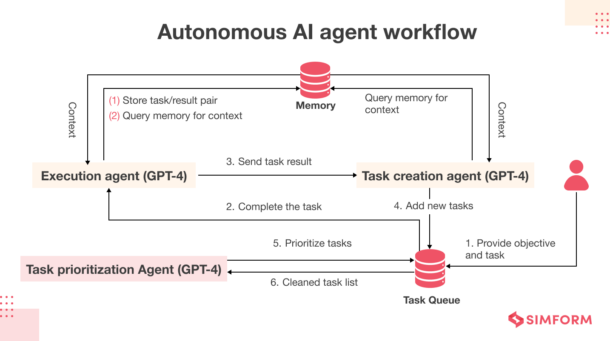
Moreover, AI systems are not static; they develop with improvements in technology and machine learning. As these agents work together in multi-agent environments, they can share information, tackle complex tasks, and improve workflows. This collaborative approach improves effectiveness and productivity, proving their worth in ever-changing business landscapes where adaptability and rapid responses are paramount. As organizations continue to embrace AI agents, comprehending their functions is important for leveraging their full capabilities and propelling innovation in various sectors.
Influence of AI Agents on Business Operations
AI agents are representing integral to modern business operations by improving efficiency and productivity. These intelligent systems simplify routine tasks, allowing employees to focus on more strategic activities that require creativity and critical thinking. For https://squareblogs.net/thingmay86/the-ai-evolution-comprehending-ai-entities , AI agents can handle data entry, scheduling, and customer inquiries, which improves processes and minimizes the likelihood of human error. By adopting these agents, organizations can experience a significant cut in operational costs and an increase in overall output.
Additionally, AI agents promote better decision-making through data analysis and insights generation. They can swiftly process vast amounts of information, identify trends, and provide actionable recommendations. This capability not only helps businesses to respond swiftly to market changes but also enables more informed strategic planning. As companies leverage AI agents for data analysis, the capacity to anticipate customer needs and preferences becomes more pronounced, resulting in improved service delivery and competitive advantage.
Finally, the synergistic potential of AI agents reshapes teamwork within organizations. These systems can support human employees, assisting them in project management, communication, and task delegation. This collaboration creates a more agile work environment, where teams can adjust to challenges and capitalize on opportunities more effectively. As businesses continue to embed AI agents into their operations, the shift towards a hybrid workforce—merging human ingenuity with machine efficiency—will reshape traditional models of work and collaboration.
Upcoming Trends and Innovations in AI Systems
As we gaze to the future, AI agents are set to turn into more advanced, incorporating state-of-the-art machine learning techniques that facilitate for more customized and user-friendly communications. This transformation will empower AI agents to more effectively understand user likes and deliver tailored answers, enhancing user experience across diverse platforms. Businesses that leverage on these progressions will certainly see a significant competitive edge in their markets.
Another important development is the expanding relevance of multi-agent systems, where several AI agents collaborate to address challenging problems. These systems will enable for greater efficiency and issue-resolving capabilities in multiple industries, from financial services to healthcare. As a growing organizations acknowledge the value of smooth collaboration between AI agents, we can expect a rise in interest for systems that support this collaboration and cooperation among agents.
Finally, the creation of ethical principles and best strategies for deploying AI agents will become crucial as their application expands. Worries surrounding data privacy, protection, and the ethical implications of automation are leading to discussions on formal frameworks and ethical AI use. Organizations will have to focus on these issues to build trust while leveraging AI agents effectively in their operations.