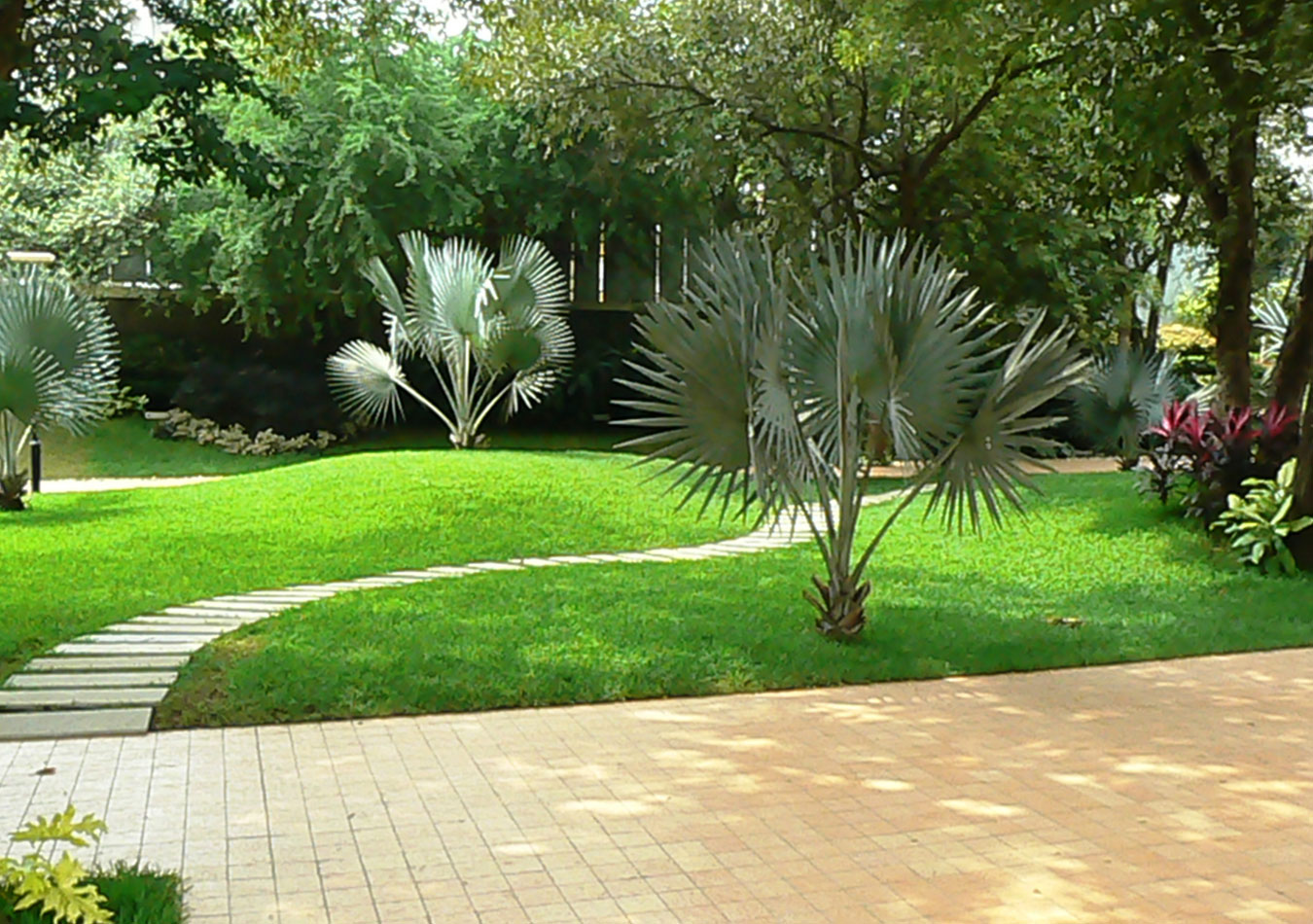
When it comes to improving the beauty and usability of landscapes, landscaping plays a key role. If you aim to design a beautiful backyard retreat, a charming front yard that boosts the home's attractiveness, or an environmentally friendly garden that encourages eco-conscious living, the right resources and techniques can make all the difference. With the growth of personalized outdoor living areas, more homeowners are seeking creative solutions and effective strategies to change their gardens into tranquil environments.
In this detailed guide, we will examine fundamental landscape design ideas, from the current trends for the year 2025 to timeless strategies that cater to limited gardens and low-maintenance solutions. We will also delve into the fine details of seasonal landscaping, emphasize the significance of choosing the right plants, and offer tips for adding hardscaping elements. Whether you have design experience or a novice diving into this design realm, the following tips and instruments will help you design a landscape that is not only beautiful but also a true reflection of your individual aesthetics.
Ultimate Garden Design Ideas
Crafting a beautiful outdoor space starts with creative design ideas that reflect your individual style and fulfill your outdoor needs. One well-liked method is to incorporate multiple levels and textures within the area, using elevated planters and multi-tiered vegetation to develop dimension and interest. This technique not only enhances the aesthetic but also provides superior water flow and soil health. Incorporating walkways made from stone or aesthetic gravel can also harmonize the space while providing functional entry to various sections.
A further notable trend is the addition of alfresco areas that extend your living space functionality. Building an outdoor kitchen, dining area, or lounge can turn your outdoor area into an comfortable gathering place for family and friends. Utilizing comfortable furniture, ambient lighting, and natural materials will elevate the outdoor experience. Also, adding elements like fire pits and water features can establish a calming ambiance that invites enjoyment outdoors year-round.
Low-maintenance landscaping is increasingly preferred by homeowners seeking aesthetic appeal without the hassle of constant upkeep. Selecting native plants adapted to your region's weather and soil conditions can offer a colorful array of colors while requiring less water and maintenance. Merging these plants with hardscaping elements such as patios or stone walls can make easier upkeep tasks, allowing you to appreciate your garden without the ongoing needs of traditional gardening.
Crucial Methods for Outdoor Makeover
Altering an outdoor area begins with a definitive blueprint that includes the dual aspects of aesthetics and functionality. Begin by assessing http://bing-qing.com/members/koreanbow66/activity/283353/ , identifying areas that could benefit from improvement, and settling how you want to use your space. This preliminary analysis sets the stage for a integrated design that boosts your outdoor enjoyment. Consider the movement of movement, arrangement of seating, and how distinct elements interact within the landscape.
Integrating hardscaping features such as patios, walkways, and retaining walls brings structure to your design. These features not just enhance the visual appeal but also provide usable surfaces for tasks and lessen care obligations. Use materials that complement your home’s architecture and integrate smoothly with natural surroundings. Thoughtful hardscaping ensures your yard can withstand the test of time while providing a practical outdoor living area.
Another key approach is the intentional use of plants and lighting. Select plants that fit your climate and preferred maintenance level, highlighting on native species for an eco-friendly approach. Layering plants with varying heights creates depth, and seasonal flowers offer ongoing interest throughout the year. Additionally, utilize lighting to emphasize focal points and provide ambiance during evenings. Proper lighting converts your landscape into a magical retreat, guaranteeing you can appreciate your outdoor space at any hour.
Preparation and Implementation of Landscape Design Projects
Successful landscape design starts with comprehensive preparation. This phase includes evaluating the space you have, identifying your needs, and setting a budget. Gather ideas from various references like books, periodicals, and online platforms, focusing on the top 10 landscaping concepts that align with your aesthetic. Develop a wish list that features elements such as water installations, external constructions, and particular species that you want in your design. A detailed site assessment will allow you to comprehend the solar exposure, soil composition, and drainage, which are essential for creating a sustainable and visually appealing landscape.
Once the design stage is complete, the subsequent step is to develop a landscaping blueprint. Draw out your concepts, incorporating hard landscape elements and considering the principles of hues and composition. For those new to landscape design, using apps can streamline this task, allowing for easy iterations and modifications. Make sure to factor in how your design blends with your home’s design and surroundings. This is the moment to confirm choices for plants, materials, and features while considering functionality and maintenance levels.
With the design finalized, it's time to move into execution. This requires preparing the site, which might include clearing, grading, and improving the soil. Adhere to your design carefully, executing each phase methodically, whether you're constructing hardscapes or planting. Keep an eye on seasonal changes and how they may influence your landscape throughout the year. A well-planned landscape will not only enhance the beauty of your outdoor space but also offer a feeling of peace and connection with nature. Regular maintenance will be essential to ensure the longevity of your design and to adjust to evolving conditions over time.